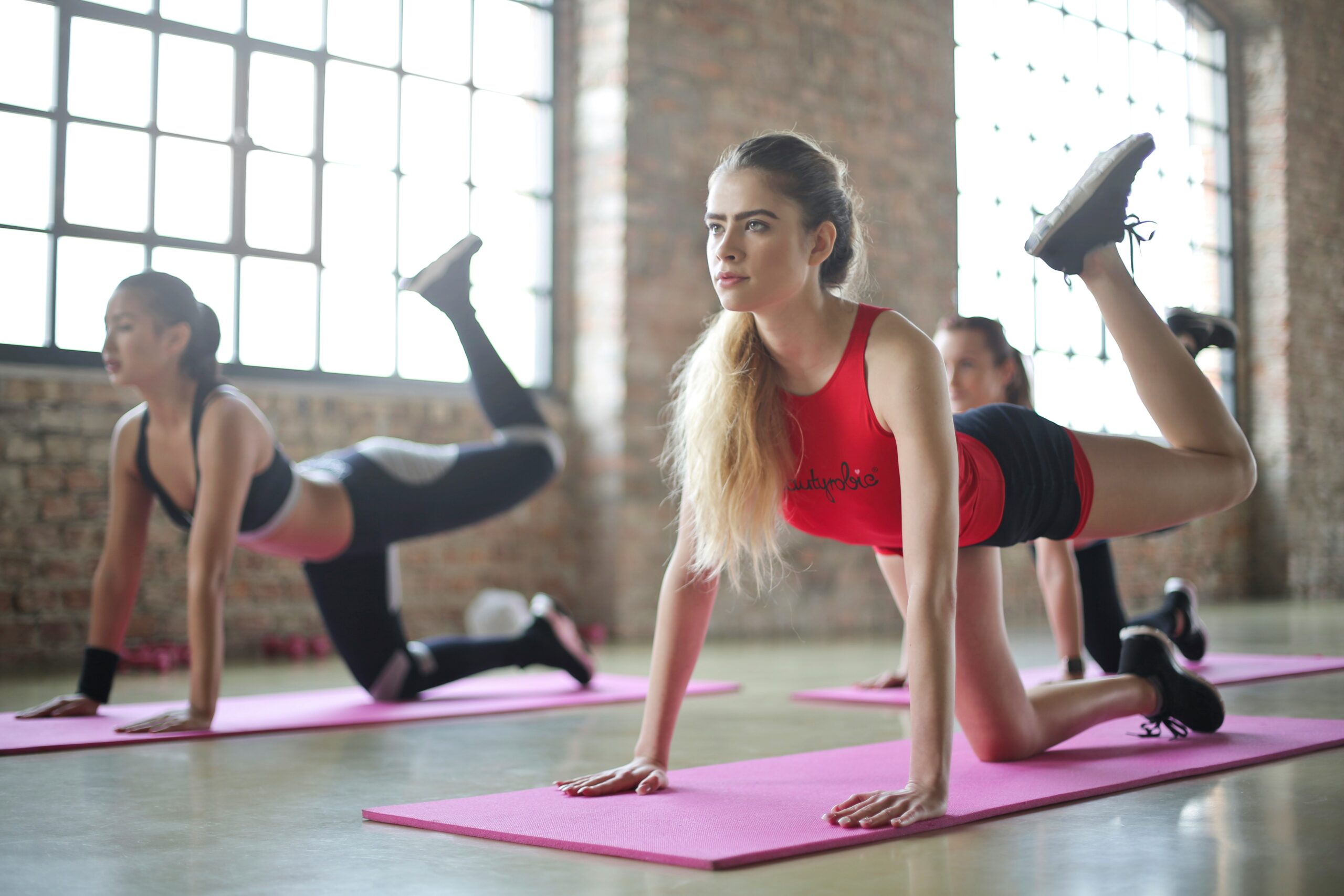
The fitness landscape transforms faster than most industries, with training methodologies, equipment innovations, and wellness philosophies constantly evolving to meet changing demands. Walk into any progressive gym in Brooklyn, Birmingham, or San Francisco today, and you’ll encounter training approaches that barely existed two years ago—functional fitness zones replacing traditional cardio decks, recovery lounges occupying premium floor space, and technology integration that would have seemed like science fiction to personal trainers a decade ago.
Staying current with emerging fitness trends isn’t about chasing fads for social media content. The movements gaining genuine traction across gyms and studios throughout the United States and the United Kingdom represent meaningful improvements in how people approach exercise, recovery, and overall wellness. These innovations address real problems that traditional fitness methods have left unsolved—time constraints, training plateaus, motivation struggles, and the disconnect between gym performance and real-world functionality. This comprehensive guide explores the most impactful fitness trends dominating 2026, explaining not just what’s gaining popularity but why these approaches work and how you can strategically incorporate them into your training to achieve better results.
The Rise of Hybrid Training Programs
The rigid separation between strength training, cardiovascular work, and mobility training is dissolving as fitness professionals recognize that artificial categorization limits overall athletic development. Hybrid training programs combine multiple fitness modalities within single sessions or weekly schedules, creating a comprehensive stimulus that develops strength, conditioning, and movement quality simultaneously.
This integrated approach reflects how your body actually functions outside the gym. Real-world physical demands rarely isolate single qualities—moving furniture requires strength and cardiovascular endurance, playing with children demands power and flexibility, hiking steep trails needs muscular endurance and balance. Hybrid training methodologies prepare your body for this multifaceted reality rather than developing isolated capabilities in a vacuum.
Progressive gyms across London, Manchester, and major American cities are redesigning their programming around this principle. A typical hybrid session might combine heavy compound lifts with metabolic conditioning circuits and mobility drills, all strategically sequenced to maximize adaptation while managing fatigue. This format delivers more comprehensive fitness improvements in less total weekly training time compared to traditional segregated programs.
The practical application involves structuring your training week to include varied stimuli rather than monotonous repetition of identical sessions. Monday might emphasize maximum strength development through heavy squats and presses, Wednesday could focus on power and conditioning through Olympic lift variations and high-intensity intervals, while Friday targets muscular endurance and movement quality through circuit training and loaded mobility work.
The key distinction separating effective hybrid training from random exercise combinations is intelligent programming that manages recovery demands and ensures progressive overload across all trained qualities. Simply throwing together disconnected exercises creates confusion rather than adaptation. Strategic hybrid programs follow periodization principles while incorporating diverse training methods.
Science-Based Recovery Technology Integration
The recognition that adaptation occurs during recovery rather than training has spawned an entire industry of recovery-focused technologies and protocols. Serious athletes and recreational gym-goers alike are investing in tools and techniques that accelerate recovery, reduce injury risk, and allow higher-quality training sessions.
Compression therapy systems using pneumatic boots have migrated from professional sports teams to commercial gyms and home use. These devices systematically compress and release your legs, promoting lymphatic drainage and blood flow that helps clear metabolic waste products accumulated during intense training. Users consistently report reduced muscle soreness and faster recovery between demanding sessions.
Percussive therapy devices, popularized by brands like Theragun and Hyperice, deliver rapid mechanical stimulation to muscle tissue that appears to reduce tension, improve range of motion, and accelerate recovery. The science supporting these claims continues to develop, but anecdotal evidence from athletes across strength sports, endurance disciplines, and general fitness populations suggests genuine benefits when used strategically.
Cold plunge therapy and contrast bathing protocols have exploded in popularity throughout fitness facilities in both the USA and the UK. The physiological stress of cold water immersion triggers adaptations, including improved circulation, reduced inflammation, and enhanced nervous system regulation. Many high-performing individuals credit regular cold exposure with improved sleep quality, mental clarity, and training recovery.
Heat therapy through infrared saunas offers complementary benefits to cold exposure. Regular sauna use improves cardiovascular function, promotes detoxification through sweating, and creates a hormetic stress that strengthens overall physiological resilience. The combination of cold and heat exposure within comprehensive recovery protocols appears particularly effective for managing training stress.
The critical insight is recognizing that recovery deserves the same attention and investment as training itself. The limiting factor preventing most people from achieving their fitness goals isn’t lack of training stimulus—it’s inadequate recovery that prevents consistent, high-quality sessions. Strategic use of recovery technologies allows you to train harder and more frequently without exceeding your body’s adaptive capacity.
Functional Strength and Movement Training
The functional fitness movement has matured beyond its early association with unstable surface training and circus-style exercises to embrace genuine movement competency development. Modern functional training focuses on building strength through full ranges of motion in multiple planes while developing the coordination and body awareness that translates to real-world physical capability.
This trend reflects growing recognition that traditional bodybuilding-style isolation exercises and machine-based training create narrow adaptations. Someone might press impressive weight on a chest press machine yet struggle lifting their child overhead or moving furniture safely. Functional strength training addresses this disconnect by emphasizing movement patterns over muscle groups.
Progressive strength coaches are incorporating exercises like Turkish get-ups, loaded carries, crawling patterns, and ground-to-standing transitions that challenge your body to coordinate multiple muscle groups while maintaining postural control. These movements build the robust, adaptable strength that improves both gym performance and daily life functionality.
The practical implementation involves dedicating portions of your training to exercises that don’t fit traditional strength training categories. Farmer’s walks carrying heavy dumbbells develop grip strength, core stability, and whole-body tension that transfers broadly. Bottoms-up kettlebell presses require significant shoulder stability and proprioceptive awareness that traditional pressing movements miss.
Movement quality assessment has become a standard component of comprehensive training programs. Rather than immediately loading exercises with maximum weight, quality coaches first evaluate how clients move through fundamental patterns—squatting, hinging, lunging, pushing, pulling, and rotating. Identifying and correcting movement limitations before adding significant load prevents injury and ensures training builds capability rather than compensating for dysfunction.
Personalized Nutrition and Biometric Tracking
The one-size-fits-all approach to fitness nutrition is giving way to personalized strategies based on individual metabolic profiles, training demands, and genetic predispositions. Advances in metabolic testing, continuous glucose monitoring, and DNA analysis allow unprecedented customization of nutritional protocols that optimize performance and body composition.
Continuous glucose monitors, originally designed for diabetics, are being adopted by athletes and fitness enthusiasts seeking to understand how different foods affect their blood sugar responses. This real-time feedback reveals which carbohydrate sources provide stable energy versus those causing problematic spikes and crashes. The data enables strategic food timing around workouts for optimal performance and recovery.
Metabolic testing that measures your resting metabolic rate and substrate utilization provides concrete numbers that replace the generic calorie recommendations found in fitness apps. Knowing your precise caloric expenditure and whether your body preferentially burns fats or carbohydrates at different exercise intensities allows far more accurate nutritional planning than population-average estimates.
The integration of wearable technology with nutrition platforms creates comprehensive feedback loops. Your smartwatch tracks training volume, sleep quality, heart rate variability, and daily activity levels while your nutrition app logs food intake. Advanced platforms analyze these combined data streams to generate personalized recommendations that adapt based on your recovery status and training phase.
DNA testing services now offer fitness-specific genetic analysis examining variants associated with power versus endurance performance, injury predisposition, nutrient metabolism, and optimal macronutrient ratios. While the science remains somewhat preliminary, these insights can guide strategic decisions about training emphasis and nutritional approaches worth prioritizing.
The critical caveat is ensuring technology serves your training rather than controlling it. The most sophisticated tracking means nothing if you lack consistency in fundamentals—progressive overload, adequate protein, sufficient sleep, and training adherence. Use personalized data to optimize already-solid habits rather than seeking technological solutions to discipline problems.
Group Fitness Evolution and Community Training
The social isolation many experienced during recent years has intensified appreciation for community-based fitness experiences. Group training formats are evolving beyond traditional aerobics classes to include sophisticated strength programs, team-based competitions, and social accountability structures that leverage human psychology for sustained motivation.
Boutique fitness studios offering specialized group experiences have proliferated across major cities in both the USA and the UK. These facilities typically focus on specific training modalities—Olympic weightlifting, powerlifting, functional fitness, or combat sports—creating communities united by shared training philosophies and goals. The tribal aspect of belonging to a specific training culture drives remarkable adherence compared to anonymous commercial gym memberships.
Technology-enabled group training where participants compete on leaderboards while following the same workout protocol creates engaging competitive elements without requiring in-person attendance. Platforms like Zwift for cycling and various rowing apps allow you to train alongside people worldwide, combining solo training flexibility with community motivation.
Personal trainers are increasingly structuring semi-private training sessions where small groups of three to five clients with similar capabilities train together. This format provides individualized attention and program customization while reducing per-person costs and adding social accountability. The group dynamic often pushes people harder than they’d push themselves when training alone.
Partner-based training protocols are gaining traction, with exercises and workouts designed specifically for two people working collaboratively. Medicine ball partner passes, resistance band pulls, and alternating work-rest intervals create interactive training experiences that make challenging workouts more enjoyable while building relationships.
The underlying principle is recognizing that humans are social creatures whose behavior responds powerfully to group dynamics. Strategic use of community and social connection within your fitness program dramatically improves long-term adherence, which matters infinitely more than the theoretical optimality of your exercise selection or periodization scheme.
Mental Fitness and Mind-Body Integration
The artificial separation between physical training and mental wellness is collapsing as fitness professionals recognize the profound interconnection between psychological and physical performance. Mental fitness training incorporating breathwork, meditation, and stress management techniques is becoming standard programming rather than an alternative wellness fringe.
Breathwork protocols from traditions like Wim Hof Method and more contemporary approaches are being incorporated into training sessions to improve focus, manage pre-competition anxiety, and enhance recovery. Controlled breathing techniques can shift your nervous system state, downregulating stress responses or upregulating arousal as situations demand.
Meditation and mindfulness practices specifically designed for athletes and fitness enthusiasts help develop the mental resilience required for consistent training adherence. The ability to observe discomfort without emotional reactivity proves crucial during challenging sets or difficult training phases. Regular mindfulness practice improves this psychological skill just as squats improve leg strength.
Neurofeedback training that monitors brainwave patterns and provides real-time feedback is being explored by elite athletes seeking marginal performance gains. While the equipment remains expensive and primarily confined to high-performance settings, the underlying principle—that mental state dramatically influences physical capability—is filtering throughout fitness culture.
Progressive gyms are creating dedicated recovery and meditation spaces, recognizing that the same facility hosting intense physical training should support the mental recovery and development essential for sustainable high performance. Quiet rooms for meditation, breathing exercises, or simple rest between sessions acknowledge that genuine fitness extends beyond muscular development.
The practical application involves incorporating even brief mental training into your routine. Five minutes of focused breathing before workouts improves subsequent performance. Short meditation sessions on rest days enhance overall recovery. Mindful attention during training sessions improves mind-muscle connection and exercise effectiveness.
Sustainable and Eco-Conscious Fitness Practices
Environmental consciousness is influencing fitness industry practices, equipment manufacturing, and individual training choices. Gyms throughout the UK and the USA are implementing sustainability initiatives that appeal to environmentally aware members while often reducing operational costs.
Energy-generating cardio equipment that converts human power into electricity represents one visible sustainability trend. Specialized treadmills, bikes, and ellipticals can feed power back into the facility’s electrical grid, turning workouts into renewable energy generation. While the total energy produced remains modest, the psychological impact of making your workout carbon-neutral or even carbon-negative resonates with many members.
Sustainable equipment manufacturing using recycled materials, reduced packaging, and ethical supply chains is becoming a competitive differentiator for fitness brands. Companies are responding to consumer demand for yoga mats made from natural rubber, resistance bands from recycled materials, and apparel from sustainable fabrics.
Outdoor training utilizing public parks, natural terrain, and minimal equipment appeals to both sustainability values and the growing recognition that nature exposure provides mental health benefits beyond indoor training. Fitness professionals are designing comprehensive programs requiring only bodyweight and portable equipment like resistance bands and suspension trainers, eliminating dependence on energy-intensive gym facilities.
The minimalist training movement also aligns with sustainability principles. Rather than accumulating extensive equipment collections or maintaining gym memberships you rarely use, focusing on a few versatile tools and consistent practice reduces both financial and environmental costs while often improving results through forced creativity and simplicity.
Hybrid In-Person and Digital Training Models
The forced experiment with remote fitness during recent pandemic years revealed that digital and in-person training each offer distinct advantages. Rather than returning entirely to pre-pandemic norms, forward-thinking trainers and facilities are creating hybrid models that strategically combine both modalities.
Personal trainers are offering flexible packages where clients might attend one or two in-person sessions weekly for technique coaching, assessment, and high-touch programming while completing additional workouts remotely using custom video programs and app-based tracking. This hybrid approach provides more frequent training stimulus and accountability at a lower cost than exclusively in-person training.
Fitness apps with AI-driven coaching are becoming increasingly sophisticated, analyzing your performance data to generate personalized workout recommendations that adapt based on recovery status and progress. While not replacing human coaches for complex needs, these platforms provide remarkable value for self-directed individuals wanting structured programming without ongoing coaching relationships.
On-demand workout libraries from high-quality instructors allow you to access world-class coaching for specific sessions—Olympic lifting technique, advanced yoga flows, or metabolic conditioning circuits—while maintaining your primary training program. This pick-and-choose approach provides variety and skill development without committing to full program changes.
Virtual group classes attended from home gyms continue thriving as people recognize the convenience of avoiding commute time while still accessing community motivation and professional instruction. The ability to take a live group cycling class at six in the morning without leaving your house lowers barriers that previously prevented consistent training.
The optimal strategy involves using each modality where it provides maximum value. In-person training excels for complex movement learning, heavy lifting requiring spotters, and social motivation. Digital training provides convenience, lower costs, and access to specialized expertise unavailable locally. Strategic combination leverages both strengths.
Longevity-Focused Training and Healthspan Optimization
The fitness industry’s traditional focus on aesthetic outcomes and performance maxima is expanding to encompass longevity and healthspan—the years you remain functionally capable and disease-free. This shift reflects demographic changes as aging populations pursue fitness goals beyond muscle size or strength records.
Training programs designed around longevity principles emphasize movement quality, joint health, cardiovascular fitness, and metabolic health markers over purely aesthetic or performance outcomes. The goal becomes maintaining independence, physical capability, and quality of life into advanced age rather than maximizing beach season appearance.
Balance training, often neglected in traditional strength programs, receives appropriate emphasis in longevity-focused approaches. Falls represent a leading cause of disability and death in older populations, making balance preservation crucial for healthspan. Single-leg exercises, unstable surface training, and coordination drills all contribute to maintaining balance capacity.
Bone density preservation through strategic impact and resistance training becomes a primary goal rather than a side effect. Weight-bearing exercise and progressive strength training provide the mechanical stimulus necessary to maintain skeletal strength, preventing osteoporosis that compromises independence in later life.
Cardiovascular health markers, including VO2 max, resting heart rate, and blood pressure responsiveness, receive focused attention. Research consistently demonstrates that cardiovascular fitness strongly predicts longevity and quality of life. Zone 2 endurance training that keeps heart rate in moderate ranges builds the aerobic base that supports metabolic health and daily functionality.
The practical implementation involves adding longevity-focused metrics to your training goals alongside aesthetic or performance targets. Monitor your balance capacity, track cardiovascular fitness improvements, ensure your program maintains joint range of motion, and regularly test functional movements that predict independent living capability.
Strength Training for All Demographics
Perhaps the most significant trend in 2026 fitness culture is the mainstreaming of resistance training across demographics previously underserved by strength-focused programming. Women, older adults, and complete beginners are embracing barbell training, progressive overload, and serious strength development at unprecedented rates.
The recognition that muscle mass preservation represents perhaps the most critical factor in healthy aging has driven older populations toward resistance training. Sarcopenia—age-related muscle loss—predicts disability, metabolic dysfunction, and mortality more reliably than body weight or cardiovascular fitness. Progressive strength training remains the only intervention that effectively prevents and reverses this process.
Women in particular are rejecting the outdated advice directing them toward endless cardio and light weights in favor of serious strength programming. The understanding that building muscle doesn’t create bulky physiques but rather creates the defined, athletic appearance most women pursue has transformed training culture. Female-focused strength programs and communities have exploded across both the USA and the UK.
Youth strength training, once considered dangerous, is being recognized as safe and beneficial when properly coached. Progressive pediatric fitness programs are introducing resistance training to children and adolescents, building movement competency and strength that supports athletic development and lifelong fitness habits.
The democratization of strength training reflects growing scientific literacy about exercise physiology. People understand that progressive resistance training provides unique benefits—bone density improvement, metabolic enhancement, functional strength, and body composition changes—that no other training modality fully replicates.
Making These Trends Work for Your Training
The most effective approach to incorporating emerging fitness trends involves strategic selection based on your specific goals, constraints, and preferences rather than attempting to chase every new methodology. Evaluate each trend through the lens of whether it addresses genuine limitations in your current program or simply represents novelty for its own sake.
If your training has become stale and motivation is flagging, exploring group fitness communities or hybrid training formats might provide the psychological refresh needed for renewed consistency. If you’re constantly sore and struggling to recover between sessions, investigating recovery technologies and protocols could prove transformative.
The individuals who succeed long-term in fitness rarely follow every trend but instead build core habits around timeless principles—progressive overload, adequate protein, consistent training, and sufficient recovery. They selectively incorporate new methods that genuinely enhance these fundamentals rather than constantly chasing the latest viral workout.
Before committing significant time or money to any emerging trend, look for evidence supporting its effectiveness beyond marketing claims and social media hype. Does research support the methodology? Do credible coaches with successful track records endorse the approach? Can you identify clear mechanisms explaining why it should work?
Your fitness journey ultimately succeeds or fails based on consistency over extended periods. The best training program, the most cutting-edge recovery protocol, or the most sophisticated nutrition tracking means nothing if you don’t maintain habits long enough for compound benefits to accumulate. Choose trends and methods that enhance your adherence rather than creating additional complexity that becomes an excuse for inconsistency.
The fitness landscape will continue evolving as research advances, technology improves, and cultural values shift. Remaining open to new approaches while maintaining healthy skepticism toward hype serves you well. Not every trend deserves adoption, but dismissing innovations merely because they’re new means missing genuine improvements that could accelerate your progress. Stay curious, experiment intelligently, and trust that consistent effort toward clear goals matters infinitely more than perfect optimization of every training variable.