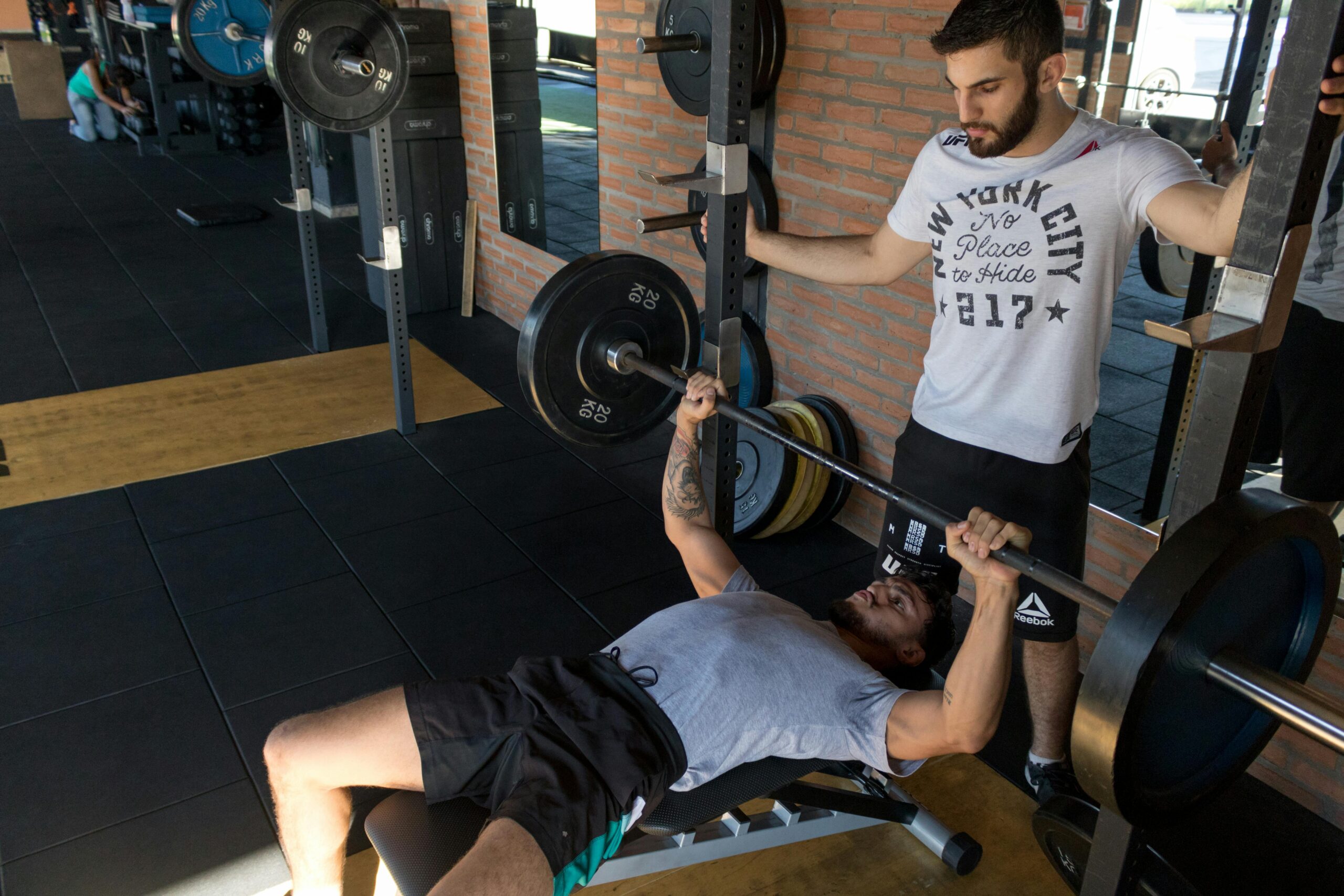
You’ve been lifting consistently for months, pushing through brutal leg days and grinding out progressive overload, yet your physique looks frustratingly similar to when you started. Your training partner who began at the same time is packing on visible muscle whilst you’re spinning your wheels. The difference isn’t genetics or secret supplements. It’s protein intake.
Most gym-goers dramatically underestimate how much protein their bodies actually need to build muscle, recover from intense training, and maintain lean mass during fat loss. Eating chicken once daily and hoping for the best simply doesn’t cut it when you’re creating microscopic muscle damage four to five times weekly through resistance training.
This comprehensive guide reveals the exact high-protein diet strategies that serious American gym enthusiasts use to maximize muscle growth, accelerate recovery, and achieve the lean, muscular physiques that turn heads. You’ll discover precise protein targets based on your training intensity, the best protein sources available in the USA, meal timing strategies that actually matter, and practical implementation tactics that work for busy schedules. No pseudoscience. No supplement company propaganda. Just proven nutritional principles that transform training results.
Understanding Protein Requirements for Muscle Growth and Performance
The standard recommended dietary allowance of 0.8 grams of protein per kilogram of body weight was established for sedentary individuals seeking to prevent deficiency, not athletes trying to build muscle. This baseline proves woefully inadequate for anyone training intensely in the gym multiple times weekly.
Current sports nutrition research consistently demonstrates that individuals engaged in regular resistance training require significantly higher protein intake to optimize muscle protein synthesis and recovery. The evidence-based sweet spot for muscle building falls between 0.7 and 1 gram of protein per pound of body weight daily.
For a 180-pound lifter, this translates to 126 to 180 grams of protein spread throughout the day. This might sound excessive compared to typical American eating patterns, but it’s precisely this elevated intake that separates those who build muscle efficiently from those who struggle despite solid training.
During fat loss phases when you’re maintaining a caloric deficit, protein requirements actually increase to preserve lean muscle tissue. Aiming for the higher end of this range, approximately 1 gram per pound of body weight, provides insurance against muscle loss whilst dieting. Protein’s high satiety factor also helps control appetite during calorie restriction.
The mechanism behind these elevated requirements relates to protein turnover rates. Resistance training increases both muscle protein synthesis and muscle protein breakdown. To achieve net muscle growth, you must tip this balance in favor of synthesis through adequate protein intake combined with appropriate training stimulus and recovery.
Premium Protein Sources Available Across America
Chicken breast remains the foundational protein source for most American gym-goers, and for good reason. A standard 6-ounce serving delivers approximately 52 grams of complete protein with minimal fat, making it exceptionally efficient for hitting protein targets without excessive calories.
The versatility of chicken breast cannot be overstated. Grill it with various spice blends, slice it for salads, shred it for wraps, or meal prep several pounds weekly for grab-and-go convenience. Major US retailers, including Walmart, Costco, and local grocery chains, offer competitive pricing, particularly when purchasing family packs or taking advantage of weekly sales.
Lean ground beef provides an alternative to chicken while delivering additional nutrients, including iron, zinc, and vitamin B12 that support testosterone production and overall health. Opt for 90/10 or 93/7 lean-to-fat ratios to maximize protein density whilst controlling fat intake. A 6-ounce serving of 93/7 ground beef provides roughly 46 grams of protein.
Eggs deserve recognition as possibly the most nutritionally complete protein source available. Each large egg contains 6 grams of high-quality protein alongside healthy fats, choline, and fat-soluble vitamins. The biological value of egg protein exceeds virtually all other whole food sources, meaning your body utilizes the amino acids exceptionally efficiently.
Greek yogurt has revolutionized convenient protein consumption for American fitness enthusiasts. Brands like Fage, Chobani, and store-brand alternatives offer 15 to 20 grams of protein per serving, making it simple to boost daily protein intake through snacks or breakfast options. Choose plain varieties to avoid excessive added sugars that compromise body composition goals.
Salmon and other fatty fish provide complete protein alongside omega-3 fatty acids that reduce inflammation and support recovery. Wild-caught Alaskan salmon offers superior nutrient density compared to farmed alternatives, though both provide quality protein. A 6-ounce serving delivers approximately 34 grams of protein with beneficial fats supporting hormone production.
Strategic Protein Distribution Throughout Your Day
The total daily protein intake matters more than precise meal timing for most purposes, but distributing protein across multiple meals offers practical advantages for muscle protein synthesis and appetite management. Research suggests spacing protein intake every three to four hours optimizes the repeated stimulation of muscle protein synthesis.
A practical approach for someone requiring 150 grams of protein daily involves four to five meals containing 30 to 40 grams of protein each. This distribution prevents the gastric discomfort of consuming massive protein boluses whilst ensuring consistent amino acid availability throughout the day.
Breakfast represents the first opportunity to initiate muscle protein synthesis after the overnight fast. A protein-rich breakfast of scrambled eggs, Greek yogurt with protein powder, or egg white omelets sets a positive nutritional trajectory for the entire day, whilst improving satiety through morning hours.
The pre-workout meal, consumed one to three hours before training depending on size and digestive tolerance, should include 25 to 35 grams of protein alongside carbohydrates to fuel performance. Grilled chicken with rice, Greek yogurt with oats, or a protein-rich smoothie all work excellently during this window.
Post-workout protein intake deserves special attention because trained muscles demonstrate heightened sensitivity to amino acids following resistance exercise. Consuming 30 to 40 grams of fast-digesting protein within two hours post-training takes advantage of this enhanced nutrient uptake period. Whey protein shakes or quickly prepared whole food meals both accomplish this objective.
Evening protein intake, particularly before bed, supports overnight recovery through slow-digesting protein sources like casein or cottage cheese. This provides sustained amino acid release during the extended fasting period between dinner and breakfast, maintaining muscle protein synthesis throughout the night.
Building Your High-Protein Meal Plan Framework
Creating a sustainable high-protein diet requires balancing nutritional optimization with practical reality. Elaborate meal plans that demand hours of daily cooking inevitably fail when work demands, social commitments, and general life chaos interfere.
Start with a foundation of three to four core protein sources you genuinely enjoy eating and can prepare efficiently. For most American gym-goers, this includes chicken breast, eggs, Greek yogurt, and either ground beef or fish, depending on preference. Rotate between these staples to prevent flavor fatigue whilst maintaining consistency.
Batch cooking streamlines execution dramatically. Dedicate two to three hours on Sunday afternoon to grilling or baking 4 to 5 pounds of chicken breast, hard-boiling a dozen eggs, and preparing several pounds of ground beef or turkey. Store everything in meal prep containers with appropriate portions of rice, vegetables, and healthy fats.
This preparation investment creates grab-and-go meals throughout the week, eliminating the decision fatigue and time constraints that derail protein intake when you’re rushing between work and the gym. When healthy options are as convenient as fast food, compliance improves exponentially.
Strategic use of modern convenience foods accelerates implementation without sacrificing nutrition quality. Rotisserie chicken from Costco or your local grocery store provides ready-to-eat protein for minimal cost. Pre-cooked chicken strips, canned tuna, and ready-to-drink protein shakes fill gaps when whole food preparation isn’t feasible.
The Role of Protein Supplements in Your Diet
Whey protein powder represents the most researched, effective, and convenient supplement for gym enthusiasts seeking to increase protein intake. The rapid digestion and absorption of whey make it particularly valuable post-workout when quick amino acid delivery to muscles matters most.
Quality varies enormously across brands available in the American market. Premium options like Optimum Nutrition Gold Standard, Dymatize ISO100, and MyProtein offer third-party tested products with protein content matching label claims. Budget alternatives from Walmart’s Body Fortress or Costco’s Cytosport can work, but warrant closer label scrutiny.
Each scoop typically provides 20 to 30 grams of protein, depending on the product. For someone struggling to reach 150 grams daily through whole foods alone, two protein shakes strategically placed post-workout and during snacks easily contribute 50 to 60 grams, making total targets far more achievable.
Casein protein powder offers an alternative to whey with slower digestion kinetics, making it ideal for evening consumption before bed. The sustained amino acid release throughout the night theoretically supports muscle protein synthesis during the extended overnight fast, though whole food casein sources like cottage cheese or Greek yogurt work similarly.
Plant-based protein powders have improved dramatically in recent years for vegetarian and vegan gym-goers. Pea protein, brown rice protein, and blended plant protein formulas can effectively support muscle building when consumed in adequate quantities and combined with varied whole food plant proteins throughout the day.
The key understanding is that supplements should supplement, not replace, whole food protein sources. Relying exclusively on shakes neglects the micronutrients, fiber, and satiety benefits that whole foods provide. Use protein powder strategically to bridge gaps, not as your primary protein source.
High Protein Diet Approaches for Different Training Goals
Bodybuilders pursuing maximum muscle growth typically consume protein at the higher end of recommended ranges, often reaching 1 to 1.2 grams per pound of body weight. This elevated intake provides insurance against any potential protein deficiency, limiting growth whilst supporting the enormous training volumes characteristic of bodybuilding programming.
During bulking phases, these athletes combine high protein with caloric surpluses of 300 to 500 calories above maintenance, allowing the excess energy and abundant amino acids to fuel muscle growth. Meal frequency often increases to five or six feedings daily to accommodate higher total calories alongside elevated protein targets.
Powerlifters and strength athletes prioritize absolute strength over aesthetics but still require substantial protein intake to support the neural and muscular adaptations driving strength gains. Protein intake typically falls around 0.8 to 1 gram per pound of body weight, whilst total calories remain higher than those of bodybuilders due to less concern about body fat levels.
For general fitness enthusiasts and CrossFit athletes pursuing well-rounded performance, protein intake of 0.7 to 0.9 grams per pound of body weight typically proves sufficient when combined with appropriate carbohydrate and fat intake supporting varied training demands.
Fat loss phases require the highest relative protein intake to preserve muscle mass during caloric restriction. Consuming 1 gram per pound of body weight whilst maintaining a 300 to 500 calorie deficit creates the conditions for fat loss whilst protecting hard-earned muscle tissue. The high satiety of protein also makes adherence to deficits considerably easier.
Common High-Protein Diet Mistakes Sabotaging Results
The most prevalent error is inconsistent protein intake, hitting targets on training days but dropping substantially on rest days or weekends. Muscle protein synthesis doesn’t stop on non-training days. Consistency across all seven days matters more than occasional perfect adherence interspersed with complete nutritional chaos.
Another frequent mistake involves overemphasizing protein while neglecting carbohydrates and fats necessary for optimal performance and health. Protein doesn’t build muscle in isolation. You need adequate calories from all macronutrients, sufficient carbohydrates to fuel intense training, and healthy fats supporting hormone production.
Many American gym-goers also fall into the trap of relying excessively on processed protein sources like bars, shakes, and low-quality deli meats whilst minimizing whole food intake. These ultra-processed options often contain excessive sodium, preservatives, and hidden sugars that compromise overall health despite adequate protein content.
Expecting immediate results from increased protein intake represents another common pitfall. Building muscle is a slow process measured in months and years, not days and weeks. Adequate protein is necessary but not sufficient alone. You still need progressive overload in training, adequate recovery, and patience to see significant physique changes.
Ignoring individual tolerance and preferences in favor of generic meal plans also undermines long-term adherence. If you genuinely dislike fish, forcing yourself to eat salmon four times weekly because an article recommended it guarantees eventual abandonment. Choose protein sources you actually enjoy to ensure sustainability.
Budget-Friendly High Protein Shopping Strategies
Meeting elevated protein requirements doesn’t require gourmet markets or premium organic products. Strategic shopping at mainstream American retailers like Walmart, Aldi, or Costco provides all necessary protein sources at reasonable prices.
Buying in bulk dramatically reduces per-serving costs. Costco’s multi-pound chicken breast packages, egg flats containing several dozen, and large tubs of Greek yogurt offer substantial savings compared to smaller quantities from conventional grocery stores. The upfront investment pays dividends across weeks of consistent protein intake.
Leveraging weekly sales and seasonal pricing optimizes your budget further. Most grocery stores cycle meat sales on predictable schedules. Stock up when chicken breast drops to $1.99 per pound, or ground beef hits comparable lows, then freeze excess portions for future weeks.
Canned protein sources, including tuna, salmon, and chicken, provide shelf-stable options at competitive prices, particularly when purchased in multi-can packs from warehouse clubs. Whilst fresh options taste superior, canned varieties work excellently mixed into salads, wraps, or quick meals when convenience matters.
Store-brand products often match name-brand quality at significantly lower prices. Generic Greek yogurt, store-brand eggs, and Walmart’s Great Value chicken breast deliver identical protein content and nutritional value to premium alternatives, whilst preserving your food budget for other nutritional priorities.
Practical Implementation for Busy American Lifestyles
Successfully maintaining high protein intake whilst juggling career demands, family commitments, and training schedules requires systems that minimize daily decision-making and maximize efficiency.
Standardize your breakfast to eliminate morning decision fatigue. Whether that’s scrambled eggs with toast, Greek yogurt with granola, or a protein smoothie, eating the same high-protein breakfast daily simplifies shopping and preparation, and ensures you begin each day hitting protein targets.
Identify three to four restaurants near your workplace or regular locations offering reliably good protein-focused meals. Chipotle bowls with double chicken, Subway protein bowls, or local grills with grilled chicken salads become backup options when meal prep runs short or unexpected schedule changes prevent planned eating.
Keep emergency protein sources readily available in your car, gym bag, and office. Protein bars, beef jerky, protein powder in a shaker bottle, and shelf-stable protein drinks prevent the desperate decision-making that occurs when hunger strikes without good options nearby.
Use smartphone apps or simple tracking methods to monitor daily protein intake for at least two weeks initially. This awareness reveals hidden gaps and patterns you’d otherwise miss. After establishing solid habits, formal tracking becomes optional as intuitive eating patterns develop around appropriate protein consumption.
Your Blueprint for High Protein Success
Building an exceptional physique through gym training demands more than showing up and lifting weights. The nutritional foundation, particularly adequate protein intake, determines whether your training effort translates into visible muscle growth or wasted potential.
The strategies outlined here aren’t theoretical concepts from laboratory research disconnected from real-world application. They’re the proven approaches that serious American gym enthusiasts implement daily to build the strong, muscular, lean physiques that represent the visible reward for consistent training and nutritional discipline.
Start by calculating your personal protein target based on body weight and training goals. Identify three to four protein sources you genuinely enjoy and can prepare efficiently. Invest one afternoon weekly into batch preparation that sets you up for success throughout demanding schedules.
Remember that perfect adherence isn’t required. Hitting your protein target six days weekly, whilst occasionally falling short on busy weekends, still produces better results than sporadic effort without consistency. Progress comes from habits repeated over months, not perfection maintained briefly before inevitable collapse.
Your competitors in the gym, whether actual competitors on stage or simply the standards you’ve set for yourself, aren’t succeeding because they possess superior genetics or secret knowledge. They’re succeeding because they consistently fuel their bodies with the protein necessary to recover from training, build new muscle tissue, and become incrementally better versions of themselves every week. That same success is available to you through committed implementation of these high-protein principles, one meal at a time.