You’ve been scrolling through fitness transformation posts, noticing some people achieved incredible fat loss results training at home with minimal equipment, whilst others swear their gym membership was the key to finally dropping stubborn body fat. Meanwhile, you’re paralysed by indecision, unsure whether investing in a gym membership or building a home setup will actually get you the results you’re chasing.
The home versus gym debate has intensified dramatically since 2020, with home fitness technology advancing rapidly whilst traditional gyms have evolved their offerings to compete. Both environments can absolutely deliver fat loss results, but each comes with distinct advantages, limitations, and suitability for different individuals and circumstances.
This comprehensive guide cuts through the marketing hype from both sides to deliver an honest, evidence-based analysis of home and gym training for fat loss in 2026. You’ll discover the scientific principles that actually drive fat loss regardless of location, the genuine pros and cons of each training environment, and most importantly, which option aligns best with your specific situation, goals, and preferences. No bias. No sponsored equipment recommendations. Just a practical truth about what works.
The Fundamental Truth About Fat Loss That Transcends Location
Before comparing training environments, you need to understand the non-negotiable principle underlying all successful fat loss: sustained caloric deficit. You must consistently consume fewer calories than you expend over weeks and months for body fat to decrease, regardless of whether you’re training at home, in a commercial gym, or outdoors.
Exercise contributes to fat loss by increasing total daily energy expenditure, creating or enlarging the deficit necessary for fat reduction. The specific location where you perform that exercise matters far less than the consistency, intensity, and progressive nature of the training itself.
This means the “better” option isn’t inherently one environment over another but rather whichever setting allows you to train most consistently with appropriate intensity over extended periods. The gym membership gathering dust delivers zero fat loss benefit compared to home workouts you actually complete three to four times weekly.
That said, certain training modalities and equipment options available in each environment do influence how efficiently you can create caloric deficits, build metabolism-boosting muscle tissue, and sustain adherence through the months required for significant body composition changes.
Understanding these practical differences helps you make informed decisions based on your specific circumstances rather than following generic advice that may not suit your situation, schedule, or preferences.
The Case for Gym Training: Equipment Advantages and Structured Environment
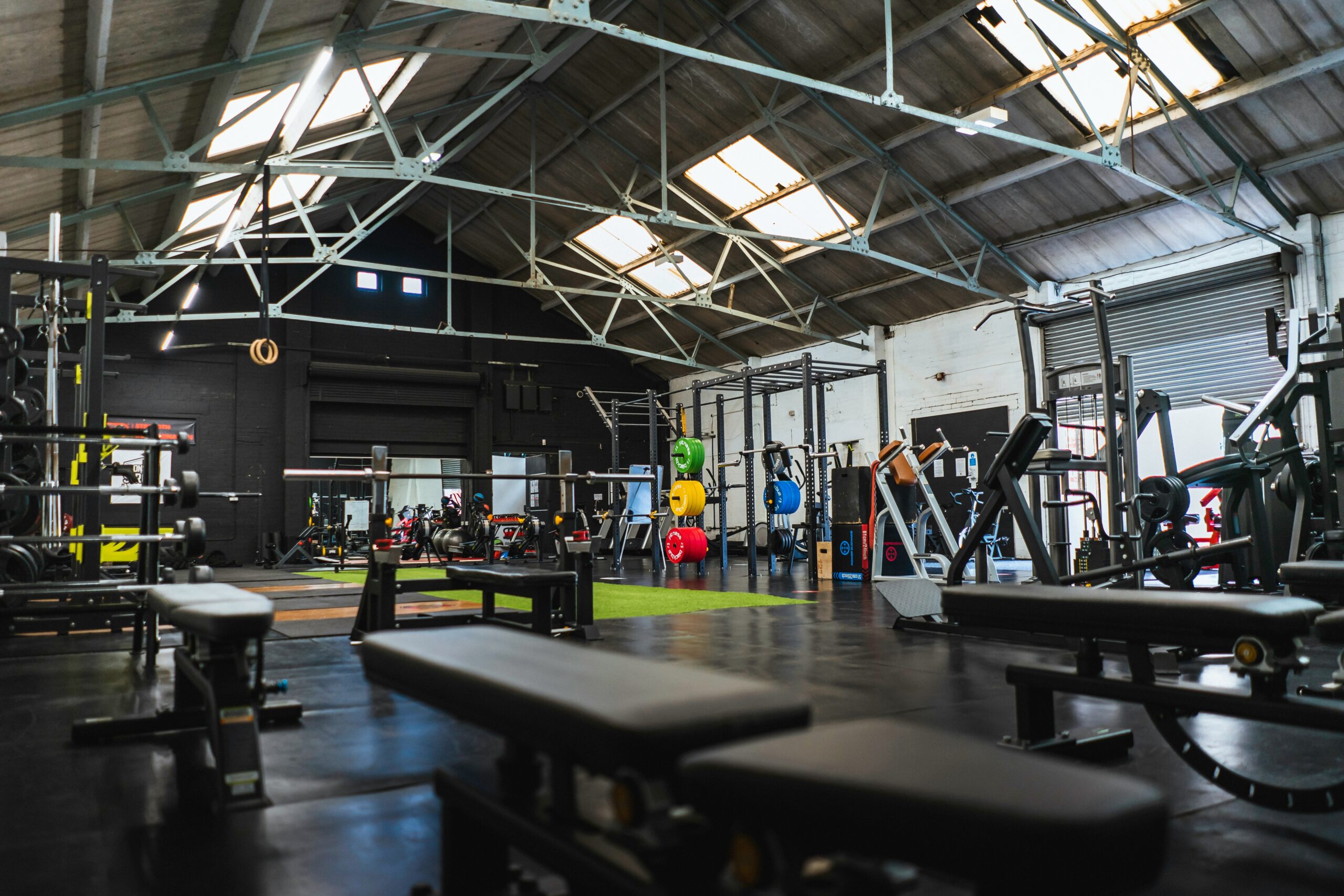
Commercial gyms in 2026 offer equipment variety and loading options nearly impossible to replicate at home without substantial financial investment and dedicated space. Barbells, weight plates, cable machines, and specialised equipment enable progressive overload across years of training as strength increases.
This matters tremendously for fat loss because building and maintaining lean muscle tissue increases resting metabolic rate whilst creating the toned, defined appearance most people actually want when they say they want to “lose weight.” Effective muscle building requires progressive resistance that home equipment often cannot provide long-term.
A beginner might progress wonderfully with bodyweight squats and resistance bands initially, but within months, those stimuli become insufficient. The gym allows a seamless transition to barbell squats that you can progressively load for years, continuously challenging your muscles to adapt.
Gyms also provide equipment specialisation for targeting specific muscle groups and movement patterns. Cable crossovers, leg press machines, lat pulldown stations, and similar apparatus offer training variations difficult or impossible to achieve at home, creating comprehensive muscular development.
The structured environment itself benefits many people psychologically. Walking into a gym creates mental separation from home life, triggering focus and commitment. You’re surrounded by others training, creating accountability and motivation that home environments often lack.
Access to classes, including spin, HIIT sessions, and group training, provides structured cardiovascular work and community support. For individuals who struggle with self-directed training, these guided sessions ensure consistent calorie expenditure without requiring extensive exercise knowledge.
The Case for Home Training: Convenience, Cost-Efficiency, and Flexibility
Home workout advantages in 2026 centre primarily on convenience and time efficiency. Eliminating commute time to and from gyms saves 30 to 60 minutes per session, removing a major barrier preventing consistent training for busy professionals and parents.
This time saving proves transformative for adherence. When you only need to walk to your garage, spare room, or living room to train, you’re far more likely to complete workouts on hectic days when driving to a gym feels impossible. Consistency trumps perfection, and home training enables remarkable consistency.
Financial considerations favour home training substantially over time. A quality home setup, including adjustable dumbbells, resistance bands, a pull-up bar, and perhaps a kettlebell, costs between £200 and £500 initially but lasts for years. Compare this to gym memberships running £30 to £80 monthly, totalling £360 to £960 annually.
Over five years, gym membership costs accumulate to £1,800 to £4,800, whilst home equipment requires only the initial investment plus minor replacements. For budget-conscious individuals or families, this difference is substantial.
Home training also offers unmatched flexibility in scheduling. You can train at 5 AM before work, during lunch breaks, or at 10 PM after the children sleep without worrying about gym operating hours or peak crowding. This scheduling freedom dramatically improves adherence for those with irregular schedules.
Privacy represents another advantage, particularly for beginners feeling intimidated by gym environments. Training at home eliminates self-consciousness about exercise form, fitness level, or appearance that prevents some people from starting or maintaining gym routines.
Comparing Fat Loss Effectiveness: What Science Actually Shows
Research examining fat loss outcomes between home and gym training reveals remarkably similar results when total caloric expenditure and dietary adherence remain equal. A 2024 meta-analysis published in the Journal of Sports Medicine found no significant difference in fat loss between supervised gym programmes and structured home workout interventions over 12 to 24 weeks.
The determining factors for fat loss success were training consistency, progressive overload implementation, and dietary adherence rather than training location. Participants who completed prescribed workouts regardless of setting lost fat, whilst those with poor adherence failed, regardless of equipment access.
However, the study noted that gym-based interventions showed slightly better muscle retention during fat loss phases, likely attributable to heavier loading capabilities enabling better preservation of training intensity whilst in caloric deficits.
Conversely, home-based programmes demonstrated superior long-term adherence rates, with 67 per cent of home training participants still actively training at 12-month follow-up compared to 48 per cent of gym members. The convenience factor apparently outweighed equipment limitations for sustained behaviour change.
These findings suggest that for pure fat loss measured by scale weight or body fat percentage, location matters less than programme design and individual adherence. However, for optimising body composition by maintaining or building muscle whilst losing fat, gym access provides measurable advantages.
Modern Home Workout Technology in 2026
The home fitness landscape has evolved dramatically, with technology partially bridging the gap between home and gym capabilities. Smart home gym systems like Tonal, Mirror, and similar platforms provide guided resistance training with digital weight that can progress appropriately.
These systems cost £2,000 to £4,000 initially but include coaching, programming, and community features previously exclusive to gym environments. For individuals who can afford the upfront investment and value-guided structure, they represent viable alternatives to traditional gym memberships.
On-demand workout platforms, including Peloton Digital, Apple Fitness+, and countless YouTube channels, deliver professional programming across strength training, HIIT, yoga, and cardio disciplines. Monthly subscriptions run from £10 to £40, dramatically cheaper than gym memberships, whilst providing the structure many people need.
Wearable technology, including advanced fitness trackers and smartwatches quantify calorie expenditure, heart rate zones, and recovery metrics regardless of training location. This data helps optimise training intensity and volume for fat loss, whether you’re at home or in a commercial facility.
Virtual personal training via video calls has become mainstream, allowing access to expert coaching without geographic limitations. Trainers can observe form, programme workouts, and provide accountability for home-based clients at costs below in-person training, whilst offering superior convenience.
Building an Effective Home Fat Loss Setup
A functional home fat loss training setup requires surprisingly minimal equipment when chosen strategically. Adjustable dumbbells ranging from 5 to 50 pounds per hand enable countless exercises, including presses, rows, squats, and isolation movements, with progressive loading capacity.
Quality adjustable dumbbell sets from Bowflex or PowerBlock cost £300 to £500 but replace entire dumbbell racks found in gyms. The space efficiency proves essential for home training, particularly in UK homes where dedicated training rooms are often unavailable.
Resistance bands of varying tensions provide portable, affordable resistance for warm-ups, assistance work, and travel training. A complete set costs £20 to £50 and stores in a drawer, enabling training anywhere, including hotel rooms during business travel.
A doorway pull-up bar costing £20 to £40 enables vertical pulling exercises, developing back musculature whilst burning substantial calories. If bodyweight pull-ups prove too challenging initially, resistance bands assist until strength develops.
A kettlebell in the 16 to 24 kilogram range for men or 8 to 16 kilograms for women enables swings, goblet squats, and Turkish get-ups, creating metabolic demand supporting fat loss. A single quality kettlebell costs £40 to £80 and lasts decades.
For those with space and budget, a simple squat rack with barbell and plates transforms home training capacity dramatically. Budget options start around £300 to £500, though quality setups run £800 to £1,500. This investment enables true progressive overload on fundamental movement patterns.
Maximising Gym Environments for Fat Loss
If you choose gym training, maximise the environment by focusing on equipment and training styles difficult to replicate at home. Barbell compound movements, including squats, deadlifts, bench press, and overhead press, should form your programme foundation.
These movements allow loading far beyond home equipment capabilities whilst building substantial muscle mass that elevates metabolic rate. Progressive overload on these lifts over months and years creates the body composition changes most people pursue.
Incorporate cable machines for constant tension exercises that free weights cannot match. Cable crossovers, face pulls, rope crunches, and similar movements provide unique stimulus supporting complete muscular development and calorie expenditure.
Utilize cardio equipment variety preventing adaptation and boredom. Rotating between treadmills, rowing machines, assault bikes, and stair climbers challenges your body differently while providing structured interval training options.
Take advantage of classes and group training for accountability and structured programming. Spin classes, circuit training, and HIIT sessions provide expert-led workouts ensuring appropriate intensity whilst eliminating planning paralysis.
Consider working with gym-based personal trainers periodically for programme design, form coaching, and accountability, even if you cannot afford ongoing regular sessions. Many trainers offer programme-only services or monthly check-ins at reduced costs compared to multiple weekly sessions.
The Hybrid Approach: Combining Home and Gym Training
For many people in 2026, the optimal solution involves strategically combining home and gym training rather than choosing exclusively one environment. This hybrid approach captures advantages from both whilst minimising the limitations of each.
A practical implementation might include two to three gym sessions weekly, focusing on heavy barbell training and exercises requiring specialised equipment, supplemented by one to two home sessions emphasising bodyweight movements, dumbbell work, and conditioning.
This structure ensures you develop strength and muscle through progressive loaded movements whilst maintaining training frequency and consistency through convenient home sessions when time or schedule constraints prevent gym visits.
The hybrid approach also provides training continuity during life disruptions. When travelling, ill children, or work demands prevent gym access, your established home training capability ensures consistency rather than complete training cessation that derails progress.
Budget-conscious individuals might maintain basic gym memberships at budget chains like PureGym or The Gym, costing £15 to £25 monthly, accessing specialised equipment periodically whilst completing most training at home with modest equipment investment.
Making Your Decision: Key Factors to Consider
Your optimal choice depends primarily on four factors: budget, schedule flexibility, training experience, and personal preferences. Honestly assess each factor rather than pursuing what seems theoretically optimal without considering practical realities.
If budget constraints are significant and you have discipline for self-directed training, home workouts deliver excellent fat loss results whilst building foundational strength and fitness. Invest in quality adjustable dumbbells and bands, then follow structured programmes from reputable sources.
If time proves your limiting factor and you work irregular hours, home training’s convenience likely ensures better long-term adherence than gym memberships you cannot consistently utilise. The best workout is the one you actually complete.
For beginners lacking exercise knowledge and confidence, gym environments provide structure, guidance, and community support, facilitating initial success. Many people need the accountability and social aspects that gyms provide to establish lasting habits.
Advanced trainees pursuing maximum muscle building alongside fat loss benefit from gym equipment variety and progressive loading capabilities that home setups struggle to match long-term. Serious physique development demands serious progressive resistance.
Your Path Forward: Implementing Your Choice Effectively
Regardless of which environment you choose, success requires structured programming, progressive challenge, and dietary adherence, creating the caloric deficit driving fat loss. Location influences convenience and capability, but doesn’t determine outcomes.
If choosing home training, invest in minimal quality equipment rather than accumulating cheap products that break or prove ineffective. Follow established programmes from credible sources rather than randomly selecting exercises from social media.
For gym training, commit to consistent attendance minimum of three to four times weekly. The membership cost only delivers value when you actually utilise the facility. Schedule training sessions like important appointments, preventing cancellation.
Track your progress through multiple metrics, including scale weight, body measurements, progress photos, and training performance. This objective data reveals whether your chosen approach is working regardless of day-to-day feelings or motivation levels.
Remember that the optimal environment is whichever one you’ll consistently use over months and years. Fat loss requires sustained effort, and the setting enabling your consistency is objectively the better choice for you specifically, regardless of what works for others or what fitness influencers promote.
The gym members achieving impressive transformations aren’t succeeding because gym training is magically superior. They’re succeeding because they found an environment supporting their consistency and progressive effort. Similarly, the home training success stories aren’t proving home workouts are better but rather demonstrating that consistency and intensity matter more than location. Your success will come from honest self-assessment of which environment you’ll actually use consistently, then committing fully to making that choice work through structured training and disciplined nutrition, one workout at a time.