


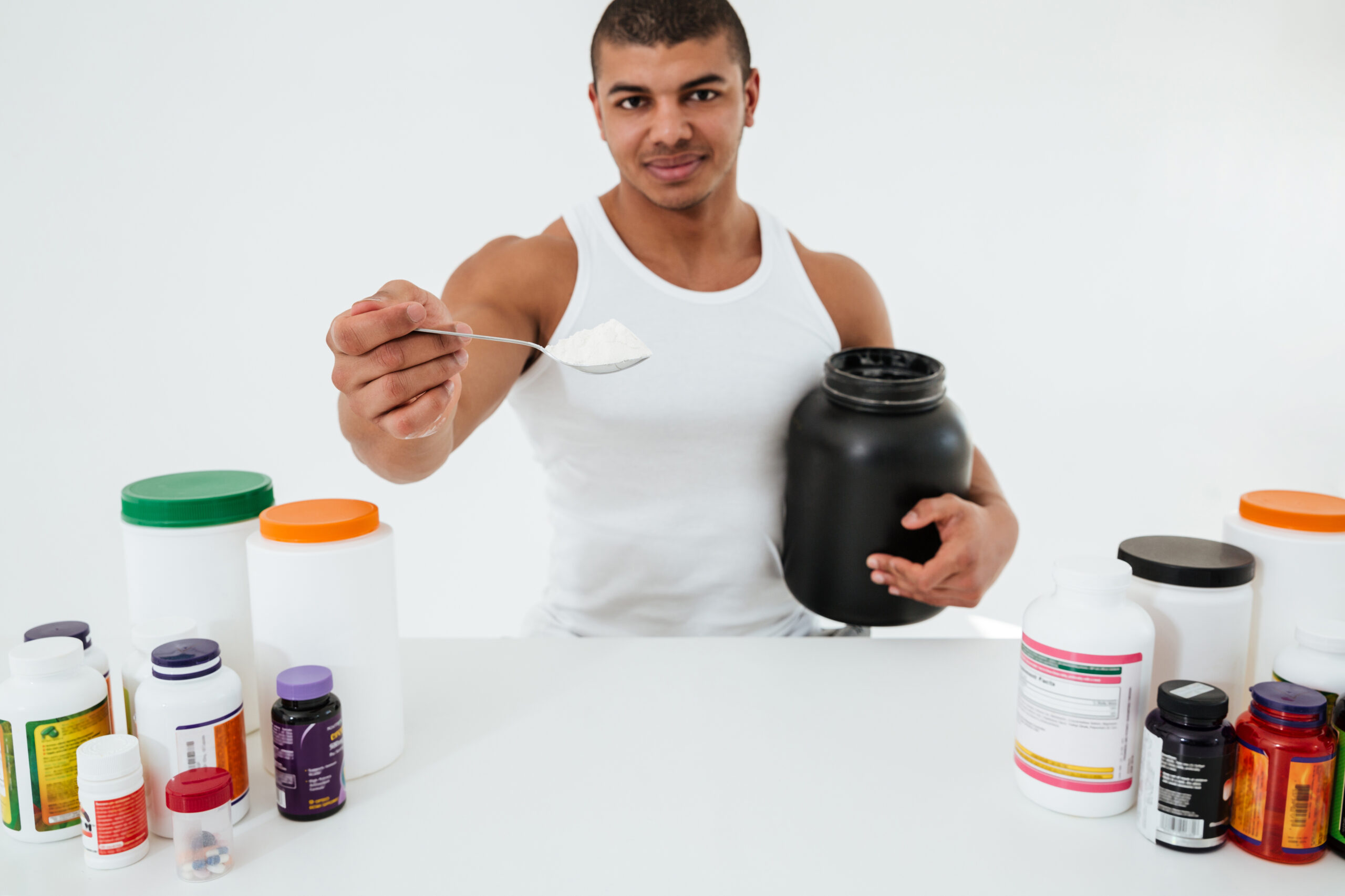
Standing in the supplement aisle at Holland & Barrett in London or GNC in New York, you face an overwhelming wall of protein powders—dozens of brands, hundreds of flavors, and wildly varying price points from budget tubs to premium formulations costing three times as much. Every container promises superior muscle building, faster recovery, and better results, yet most gym-goers have no reliable framework for distinguishing genuinely excellent products from overpriced marketing exercises wrapped in flashy packaging.
The protein powder market has exploded to over fifteen billion dollars globally, with manufacturers competing aggressively for your loyalty through influencer partnerships, exotic ingredient claims, and elaborate branding that obscures what actually matters—protein quality, digestibility, amino acid profile, and value for money. Making the wrong choice doesn’t just waste your hard-earned cash; it potentially undermines your training results if you’re consuming inferior protein that doesn’t adequately support muscle protein synthesis and recovery. This comprehensive 2026 review examines the top protein powder brands available across the United States and United Kingdom, evaluating them against objective quality criteria that separate elite products from pretenders, giving you the clarity needed to invest wisely in the supplement that forms the foundation of most serious lifters’ nutrition strategies.
Understanding What Makes a Protein Powder Truly High Quality
Protein quality depends on several measurable factors that determine how effectively the supplement supports muscle building and recovery. The protein concentration per serving represents the foundational metric—you want maximum protein with minimal filler ingredients, particularly if controlling calories matters for your goals.
Amino acid profile completeness separates superior proteins from inferior sources. Your muscles require all nine essential amino acids in adequate quantities to synthesize new tissue following training stimulus. Complete proteins containing optimal ratios of these essential aminos support muscle growth more effectively than sources lacking certain crucial building blocks.
Leucine content deserves specific attention as the primary amino acid triggering muscle protein synthesis through the mTOR pathway activation. Protein sources providing approximately 2.5 to 3 grams of leucine per serving maximally stimulate anabolic signaling, making leucine concentration a critical quality indicator beyond simple total protein content.
Digestibility and absorption characteristics influence how readily your body can utilize the protein you consume. Fast-digesting proteins like whey isolate create rapid amino acid spikes ideal for post-workout consumption, while slower proteins like casein provide sustained release beneficial for preventing overnight muscle breakdown.
Third-party testing and quality certifications from organizations like Informed Sport, NSF Certified for Sport, or Labdoor verify that products actually contain what labels claim while confirming the absence of banned substances or contaminants. These independent verifications prove particularly crucial given the supplement industry’s minimal regulatory oversight in both the USA and the UK.
Mixability, taste, and texture significantly impact long-term adherence—the theoretically perfect protein you can’t stomach drinking daily delivers worse results than a slightly inferior product you’ll actually consume consistently. The best protein powder is ultimately the one you’ll use reliably rather than the highest-scoring option you dread consuming.
Top Whey Protein Powders for Muscle Building in 2026
Whey protein continues dominating the sports nutrition market due to its complete amino acid profile, high leucine content, rapid absorption, and extensive research supporting muscle-building effectiveness. These standout whey products excel across quality metrics while offering different value propositions.
Optimum Nutrition Gold Standard 100% Whey
Optimum Nutrition’s Gold Standard remains the best-selling protein powder globally for good reason—it delivers exceptional quality at mid-range pricing with reliability that’s earned trust across decades. Each serving provides 24 grams of protein with 5.5 grams of BCAAs, including nearly 3 grams of leucine, the optimal profile for maximizing muscle protein synthesis.
The whey protein blend combines isolate, concentrate, and hydrolyzed whey, balancing cost-effectiveness with quality. The isolate portion provides fast absorption and minimal lactose, while the concentrate maintains better taste and some beneficial bioactive compounds. This strategic blend delivers comprehensive benefits without the premium pricing of pure isolate products.
Mixability proves excellent with minimal clumping or foam when shaken with water or milk. The extensive flavor selection—over twenty options including Double Rich Chocolate, Extreme Milk Chocolate, and Vanilla Ice Cream—ensures most people find palatable choices. The taste quality across flavors maintains impressive consistency.
Third-party testing through Informed Choice certification verifies banned substance screening, providing confidence for competitive athletes. The manufacturing standards and batch consistency from this established brand rarely disappoint, with contamination or mislabeling issues virtually non-existent.
The price point typically ranges from $50-70 for a five-pound tub in the USA, with a similar value in the UK around £45-60, delivering roughly 70-75 servings. This translates to approximately $0.70-1.00 per serving—excellent value for the quality delivered.
MyProtein Impact Whey Protein
MyProtein’s Impact Whey offers remarkable value for budget-conscious lifters without significant quality compromise. As a direct-to-consumer brand, MyProtein eliminates retail markup, passing savings to customers while maintaining respectable protein quality and third-party testing standards.
Each serving delivers 21 grams of protein from whey concentrate with 4.5 grams of BCAAs. While the protein content and leucine levels fall slightly below premium competitors, the difference proves negligible for most applications when you’re hitting adequate total daily protein targets.
The flavor range exceeds even Gold Standard’s impressive selection, with over 50 options including creative choices like Salted Caramel, Chocolate Brownie, and Strawberry Cream. Taste quality varies more between flavors compared to ON, with some being excellent while others prove mediocre—reading reviews before committing to large quantities proves worthwhile.
Mixability is acceptable though not exceptional, occasionally requiring vigorous shaking to eliminate all clumps. The texture leans slightly thicker than some competitors, which some users appreciate, while others find it less refreshing.
The standout feature remains pricing—frequent sales often bring 5.5kg bags below £40 in the UK or under $50 in the USA, sometimes dropping even lower during promotional periods. This translates to roughly $0.40-0.60 per serving,an exceptional value that’s difficult to match without sacrificing quality.
Informed Sport certification provides third-party testing verification, though some users report batch-to-batch variation in taste and mixability more frequently than with premium brands. Overall, MyProtein Impact Whey represents the best budget option for cost-conscious lifters willing to accept minor quality trade-offs.
Transparent Labs Grass-Fed Whey Protein Isolate
Transparent Labs positions itself as the premium option for lifters prioritizing ingredient purity, sourcing transparency, and maximum protein concentration per serving. The grass-fed whey isolate delivers what many consider the gold standard protein formulation.
Each serving provides 28 grams of pure whey isolate—no concentrate or hydrolysate blending—with minimal carbohydrates and fats. The grass-fed sourcing from New Zealand dairy farms appeals to consumers concerned about hormone use and farming practices while potentially providing a superior nutritional profile.
The amino acid profile proves exceptional, with leucine content exceeding 3 grams per serving, maximizing muscle protein synthesis signaling. The minimal lactose from the isolate processing makes this suitable for most lactose-sensitive individuals who struggle with whey concentrate products.
Transparent Labs uses no artificial sweeteners, colors, or preservatives—instead relying on stevia and natural flavoring. This clean formulation appeals to health-conscious consumers, though the natural sweetening creates taste profiles some find less appealing than artificially sweetened competitors.
Third-party testing through Labdoor and a detailed certificate of analysis demonstrate commitment to transparency, matching the brand name. You can verify exactly what you’re consuming with confidence rarely matched in the supplement industry.
The significant drawback is pricing—approximately $60-70 for two pounds, translating to roughly $2.00-2.50 per serving. This premium position positions Transparent Labs as a luxury option rather than an everyday value choice. For individuals prioritizing absolute maximum quality and willing to pay for it, the investment proves worthwhile.
Best Plant-Based Protein Powders for 2026
Plant protein formulations have improved dramatically, with modern blends creating complete amino acid profiles that effectively support muscle building when properly formulated. These top plant proteins serve vegan lifters and those avoiding dairy.
Orgain Organic Plant-Based Protein Powder
Orgain delivers the most well-rounded plant protein option with balanced taste, nutrition, and value. The blend combines pea protein, brown rice protein, and chia seeds, creating a complete amino acid profile that offsets individual plant sources’ limitations.
Each serving provides 21 grams of protein with respectable leucine content around 2 grams—lower than whey but adequate for muscle protein synthesis when consuming slightly larger servings. The organic certification and clean ingredient list appeal to health-focused consumers avoiding synthetic additives.
Taste quality surpasses most plant protein competitors, with Creamy Chocolate Fudge and Vanilla Bean flavors earning particularly positive reviews. The natural sweetening from stevia creates a pleasant taste without the artificial aftertaste that plagues some plant proteins.
Mixability proves surprisingly good for plant protein, though achieving completely smooth consistency requires more vigorous shaking than whey products. The texture leans grainier than dairy proteins but remains acceptable for most users.
USDA Organic and NSF Certified Gluten-Free provide quality assurance, while the reasonable pricing around $25-30 for approximately 16 servings makes it accessible without premium markups. For vegan lifters seeking reliable plant protein without breaking budgets, Orgain represents an excellent starting point.
Vega Sport Premium Protein
Vega Sport positions itself as the performance-focused plant protein specifically designed for athletes and serious lifters rather than general wellness consumers. The multi-source blend includes pea, pumpkin seed, organic sunflower seed, and alfalfa proteins, creating comprehensive amino acid coverage.
Each serving delivers 30 grams of protein—matching or exceeding many whey products—with added tart cherry, probiotics, and BCAAs specifically for recovery support. The higher protein content per serving helps plant-based athletes hit daily targets more easily despite plant proteins’ lower leucine density.
The taste profiles lean earthy and less sweet than competitors, which some users appreciate, while others find less palatable. Chocolate and Vanilla flavors prove most popular, though the plant taste remains more prominent than heavily sweetened alternatives.
NSF Certified for Sport provides third-party testing crucial for competitive athletes, while vegan, gluten-free, and non-GMO certifications appeal to consumers with various dietary restrictions or preferences.
The primary limitation is pricing—approximately $45-50 for approximately 19 servings translates to roughly $2.30-2.60 per serving. This premium pricing makes Vega Sport best suited for committed vegan athletes prioritizing performance over budget considerations.
Best Casein Protein for Overnight Recovery
Casein protein’s slow digestion creates sustained amino acid release over several hours, making it ideal for consumption before extended fasting periods like overnight sleep. These top casein options support muscle preservation during prolonged periods without food.
Optimum Nutrition Gold Standard 100% Casein
Optimum Nutrition applies the same quality standards to their casein line as their whey products, delivering reliable slow-digesting protein for overnight recovery. Each serving provides 24 grams of micellar casein with minimal carbs and fats.
The thick, creamy texture, when mixed, creates a pudding-like consistency that many users enjoy before bed. The Chocolate Supreme flavor proves particularly popular, offering dessert-like satisfaction while supporting muscle protein synthesis throughout sleep.
The gradual amino acid release continues for six to eight hours post-consumption, based on research, preventing the muscle protein breakdown that would otherwise occur during overnight fasting. For serious muscle builders pursuing maximum growth, casein before bed represents valuable insurance against catabolism.
Pricing runs slightly higher than whey at approximately $60-75 for four pounds, reflecting casein’s more involved processing and lower market demand. The investment proves worthwhile for individuals committed to optimizing every aspect of muscle building and recovery.
Critical Factors for Choosing Your Ideal Protein Powder
Selecting the optimal protein powder requires honest assessment of your specific circumstances, goals, and constraints rather than simply buying whatever ranks highest in abstract quality comparisons.
Your training goals should influence protein selection significantly. Bodybuilders pursuing maximum muscle mass while maintaining low body fat benefit from high-concentration isolates with minimal calories from carbs and fats. Strength athletes, less concerned with body composition, can use concentrates or blends that include more total calories.
Dietary restrictions and preferences obviously narrow your options. Vegans require plant-based proteins, while lactose-intolerant individuals need isolates or plant options that eliminate problematic dairy sugars. Those avoiding artificial ingredients must seek naturally sweetened alternatives despite potentially compromised taste.
Budget considerations legitimately impact sustainable supplementation. The theoretically optimal premium protein you can only afford occasionally delivers worse results than slightly inferior options you can use consistently year-round. Calculate cost per serving and per gram of protein rather than focusing on container prices.
Taste preferences matter more than many acknowledge—the protein you’ll actually drink daily beats the highest-quality option you can’t stomach. Start with small containers or sample packs when trying new brands to avoid investing heavily in flavors you find unpalatable.
Your timing strategy should inform protein type selection. Fast-digesting whey isolate serves post-workout consumption optimally, while slower casein works better before bed. Having both types for different applications proves ideal if budget permits, though whey alone suffices for most people’s needs.
Common Protein Powder Purchasing Mistakes to Avoid
Understanding frequent errors in protein selection helps you avoid wasting money on unsuitable products or falling for marketing tactics that obscure actual value and quality.
Proprietary blends that don’t disclose specific protein source amounts represent major red flags. These blends prevent you from knowing whether you’re getting primarily high-quality isolate or cheap concentrate, allowing manufacturers to cut costs while charging premium prices.
Amino acid spiking—adding cheap amino acids like glycine or taurine to inflate protein content measurements—remains a deceptive practice some manufacturers employ. Third-party testing helps identify these issues, though sticking with established reputable brands largely avoids this problem.
Excessive focus on exotic ingredients or proprietary enzyme blends often indicates overpriced products with minimal additional benefits. The protein source itself determines ninety-five percent of effectiveness, making added ingredients usually more marketing than performance enhancement.
Buying based solely on price without considering protein concentration and quality per dollar often backfires. A cheap protein with only 15 grams per serving and a poor amino acid profile delivers worse value than moderately-priced options with 25+ grams of high-quality protein despite lower sticker prices.
Ignoring third-party testing in favor of marketing claims or influencer endorsements risks consuming contaminated products or supplements with inaccurate labels. Particularly for competitive athletes subject to drug testing, third-party certification proves essential rather than optional.
Maximizing Results from Your Protein Powder Investment
Purchasing quality protein powder represents just the first step—implementing effective consumption strategies maximizes your return on investment while supporting your muscle-building and recovery goals.
Distribute your total daily protein across three to five servings rather than consuming massive amounts in single meals. Muscle protein synthesis responds better to regular amino acid stimulation throughout the day compared to infrequent large boluses.
Consume 20-40 grams of protein within two hours post-workout to capitalize on training-induced sensitivity to muscle protein synthesis. Fast-digesting whey proves ideal for this application, though plant proteins work effectively when leucine content is adequate.
Calculate your total daily protein needs based on bodyweight and training status—typically 0.7 to 1.0 grams per pound for people engaged in regular resistance training. Use protein powder to fill gaps where whole food consumption falls short rather than replacing balanced meals entirely.
Mix protein powder with various bases to prevent flavor fatigue. Water keeps calories minimal, dairy or plant milk improves taste and texture, while blending with frozen fruit creates more substantial smoothies. Variety supports long-term adherence.
Track your actual results rather than assuming supplementation automatically delivers benefits. Monitor strength progression, muscle mass changes, and recovery quality to verify your protein choice supports your goals effectively.
The protein powder market in 2026 offers remarkable options across all price points and dietary preferences, with quality products available for every serious lifter’s needs. Optimum Nutrition Gold Standard remains the reliable default choice for most people seeking proven quality at fair prices, while MyProtein Impact Whey delivers unmatched value for budget-conscious buyers. Premium options like Transparent Labs serve those prioritizing maximum purity and quality above cost considerations, while Orgain and Vega provide plant-based alternatives that effectively support muscle building for vegan athletes. Choose based on your specific dietary needs, budget constraints, and taste preferences rather than chasing arbitrary rankings, then focus your energy on the consistent training, adequate total protein intake, and progressive overload that determine your actual results. Your muscles don’t care which brand or flavor you choose—they simply need sufficient high-quality protein delivered consistently over months and years of disciplined effort.