




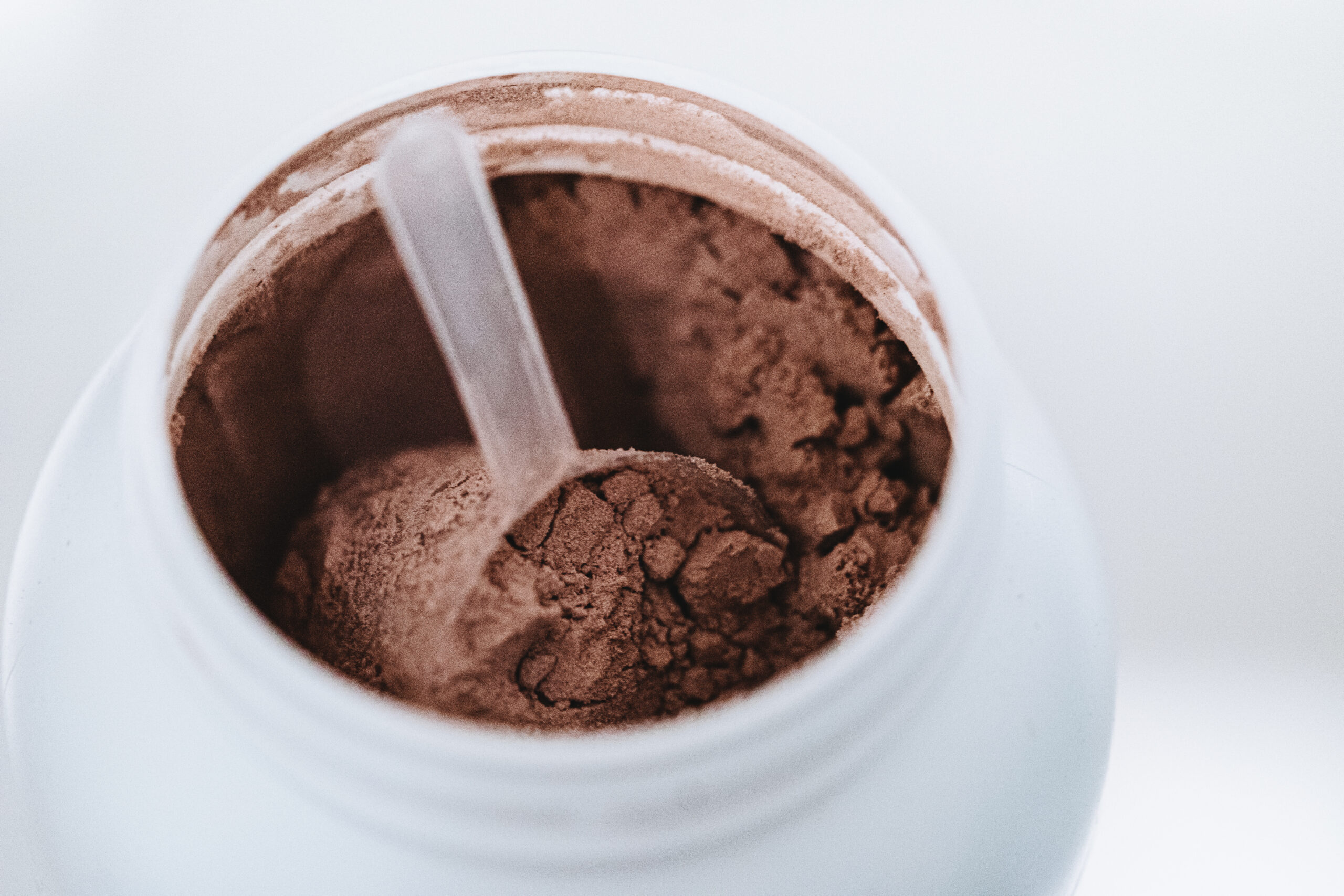
Walk into any supplement shop in London, Birmingham, New York, or Los Angeles, and you’ll face walls of brightly colored tubs making extraordinary promises—explosive muscle growth, superhuman recovery, and strength gains that defy natural limits. The global sports nutrition industry generates billions annually by capitalizing on one universal truth: people want shortcuts to the physique they’re working toward in the gym, and they’re willing to spend considerable money pursuing them.
The frustrating reality is that most supplements deliver minimal results despite aggressive marketing and impressive before-and-after photos. The supplement industry operates with minimal regulatory oversight in both the United States and the United Kingdom, allowing companies to make exaggerated claims backed by questionable research or none at all. However, dismissing all supplements as useless snake oil means missing the small handful of evidence-based products that genuinely enhance muscle growth, accelerate recovery, and improve training performance when combined with proper programming and nutrition. This comprehensive guide cuts through the marketing hype to reveal which supplements actually work, the science explaining why they’re effective, and practical protocols for maximizing their benefits while avoiding wasted money on ineffective products.
Understanding the Foundation: Supplements Cannot Replace Fundamentals
Before examining specific supplements for muscle building and recovery, establishing a critical mindset proves essential. No supplement, regardless of how scientifically validated, can compensate for inadequate training stimulus, insufficient protein intake, poor sleep quality, or inconsistent effort. Supplements represent the final five percent of optimization after you’ve dialed in the foundational ninety-five percent.
Your training program must incorporate progressive overload through gradually increasing weights, volume, or training density. Without this fundamental stimulus signaling your body to build additional muscle tissue, even the most effective supplements provide nothing to enhance. Supplements amplify the results from proper training; they don’t create results independently.
Nutritional adequacy forms the absolute foundation of muscle growth and recovery. You need sufficient total calories to support muscle protein synthesis, adequate protein distributed throughout the day to provide amino acid building blocks, and appropriate carbohydrate and fat intake to fuel training and hormonal function. Supplements fill specific gaps or provide performance advantages beyond whole foods, but they never replace proper nutrition.
Sleep quality and quantity directly determine your recovery capacity and training adaptations. Most muscle protein synthesis occurs during sleep when growth hormone peaks and tissue repair processes accelerate. Seven to nine hours of quality sleep nightly proves non-negotiable for optimal results. No recovery supplement matches the power of consistently adequate sleep.
The individuals who benefit most from supplementation are those who’ve already established solid training consistency, optimized their nutritional approach, and prioritized recovery fundamentals. If you’re still struggling with basic adherence to your gym program or regularly eating inadequate protein, investing hundreds in supplements wastes money better spent on quality food and perhaps a coach who can establish accountability.
Protein Powder: The Most Cost-Effective Muscle Building Supplement
Protein supplementation through whey, casein, or plant-based powders represents the single most universally beneficial supplement for people pursuing muscle growth. While not technically necessary—you can absolutely meet protein requirements through whole foods—protein powder provides unmatched convenience and cost-effectiveness for hitting daily targets.
The research supporting adequate protein intake for muscle development proves overwhelming. Individuals engaged in regular resistance training require approximately 0.7 to 1.0 grams of protein per pound of bodyweight daily to maximize muscle protein synthesis. For a 180-pound lifter, this means 125 to 180 grams daily, which becomes challenging to obtain exclusively through chicken breasts and eggs.
Whey protein offers the fastest absorption and highest leucine content of common protein sources, making it particularly effective for post-workout consumption when your muscles are primed for nutrient uptake. Twenty to forty grams of whey protein within two hours of training provides the amino acids necessary to initiate recovery and muscle-building processes.
Casein protein digests more slowly, providing sustained amino acid release over several hours. Many serious lifters consume casein before bed to maintain elevated amino acid levels throughout the night when they’re fasting during sleep. This sustained release helps prevent the muscle protein breakdown that would otherwise occur during extended periods without food.
Plant-based protein powders from sources like pea, rice, or hemp serve vegans and individuals with dairy sensitivities. While individual plant proteins often lack complete amino acid profiles, combination blends create complete proteins with amino acid ratios supporting muscle growth effectively. The digestibility and leucine content of quality plant proteins now rival dairy-based options.
The practical dosing strategy involves using protein powder to fill gaps in your whole food intake rather than replacing meals entirely. If your breakfast lacks adequate protein, add a scoop to oatmeal or blend a shake. If you struggle to eat enough post-workout, protein powder provides quick nutrients without the digestive burden of solid food.
Creatine Monohydrate: The Most Researched Performance Enhancer
Creatine monohydrate stands as the most extensively studied and consistently effective supplement for strength, power, and muscle mass gains. Thousands of peer-reviewed studies demonstrate creatine’s ability to enhance performance in high-intensity exercise while supporting muscle growth through multiple mechanisms.
Creatine functions by increasing phosphocreatine stores in your muscles, which regenerate ATP—your cells’ primary energy currency—during explosive efforts. This enhanced energy availability allows you to complete additional repetitions, lift slightly heavier loads, or maintain intensity during later sets when you’d typically fatigue. These small per-workout improvements compound over months into significant strength and muscle gains.
The muscle growth benefits extend beyond improved training performance. Creatine increases cellular hydration by drawing water into muscle cells, creating an anabolic environment that promotes protein synthesis. This hydration also produces the fuller, more volumized muscle appearance that many lifters pursue.
Creatine supplementation typically involves consuming three to five grams daily, taken consistently regardless of training schedule. The traditional loading phase of twenty grams daily for five to seven days accelerates saturation of muscle creatine stores, but isn’t necessary—consistent daily dosing achieves the same endpoint within three to four weeks.
The timing of creatine consumption matters less than consistent daily intake. Your muscle creatine stores remain elevated as long as you supplement regularly, so whether you consume it pre-workout, post-workout, or with breakfast makes minimal practical difference. Many people mix it with their protein shake for convenience.
The safety profile of creatine proves exceptional despite persistent myths. Decades of research show no adverse health effects in healthy individuals using recommended doses. The kidney damage and dehydration concerns that circulate periodically have been thoroughly debunked by scientific evidence. Creatine remains one of the safest and most effective supplements available.
Branched-Chain Amino Acids: Evaluating the Hype Versus Reality
Branched-chain amino acids—leucine, isoleucine, and valine—were heavily marketed for muscle building and recovery before recent research revealed more nuanced realities. While BCAAs play crucial roles in muscle protein synthesis, supplementing isolated BCAAs provides limited benefits if you’re already consuming adequate total protein.
Leucine specifically triggers the mTOR pathway that initiates muscle protein synthesis, making it the most anabolic of the three BCAAs. However, muscle building requires all essential amino acids, not just the branched-chain trio. Consuming isolated BCAAs without adequate complete protein creates an imbalanced amino acid profile that can actually impair overall protein synthesis.
For individuals meeting their daily protein targets through complete protein sources like whey, meat, eggs, and dairy, additional BCAA supplementation offers minimal benefit. You’re already providing ample leucine and other essential aminos through whole protein sources. The marketing suggesting BCAAs provide unique advantages beyond complete proteins doesn’t hold up under scientific scrutiny.
The scenario where isolated BCAAs prove potentially valuable is during fasted training when no recent protein intake has occurred. Consuming five to ten grams of BCAAs before or during fasted workouts may reduce muscle protein breakdown while providing some amino acids for energy without breaking your fast completely. However, consuming complete protein accomplishes this more effectively.
The practical recommendation is prioritizing complete protein sources and potentially using BCAAs only if you train fasted and want to minimize muscle catabolism. Otherwise, invest your supplement budget in products with stronger evidence bases like protein powder and creatine that deliver clearer benefits.
Beta-Alanine: Performance Enhancement Through Buffering Capacity
Beta-alanine improves exercise performance and indirectly supports muscle growth by increasing muscle carnosine concentrations. Carnosine buffers hydrogen ions that accumulate during intense exercise, delaying the muscular acidosis that causes the burning sensation and forces you to stop sets prematurely.
By reducing acid accumulation, beta-alanine allows you to sustain higher training intensities for longer durations. This translates to completing additional repetitions before reaching failure, maintaining better form during later sets, and accumulating more total training volume—all factors that drive muscle growth when combined with proper nutrition and recovery.
The research demonstrates beta-alanine’s effectiveness, particularly for exercise lasting one to four minutes, the duration encompassing most resistance training sets. Studies show performance improvements of two to three percent, which might seem modest but compounds significantly over months of training.
Beta-alanine requires consistent daily supplementation of three to six grams to meaningfully elevate muscle carnosine levels. Unlike creatine, you cannot simply dose pre-workout and expect acute benefits. The performance advantages emerge only after two to four weeks of daily use as muscle carnosine stores gradually increase.
The characteristic tingling sensation many people experience from beta-alanine is harmless and typically diminishes with continued use. If the tingling bothers you, splitting your daily dose into smaller amounts taken throughout the day reduces the sensation while maintaining effectiveness.
Beta-alanine pairs particularly well with creatine, as the two supplements enhance performance through different mechanisms. Using both simultaneously creates synergistic benefits—creatine improves short-burst power output while beta-alanine extends your capacity for sustained high-intensity work.
Essential Fatty Acids for Recovery and Hormonal Support
Omega-3 fatty acids from fish oil or algae-based supplements support muscle growth and recovery through anti-inflammatory mechanisms and potential effects on muscle protein synthesis. While you can obtain omega-3s through dietary sources like fatty fish, many people in the USA and UK consume insufficient amounts to realize the full benefits.
The anti-inflammatory properties of EPA and DHA—the primary omega-3 fatty acids—help manage exercise-induced inflammation and promote recovery between training sessions. While some inflammation is necessary for adaptation, excessive inflammation impairs recovery and can interfere with muscle protein synthesis. Omega-3 supplementation helps maintain the optimal inflammatory balance.
Research suggests omega-3s may directly enhance muscle protein synthesis rates and reduce muscle protein breakdown, though these effects appear modest compared to established interventions like adequate protein and progressive training. The recovery and joint health benefits likely prove more significant than direct anabolic effects.
The typical effective dose ranges from two to three grams of combined EPA and DHA daily. Check your fish oil supplement’s label carefully, as many products contain mostly filler oils with minimal actual EPA and DHA. You want products listing specific EPA and DHA content totaling your target dose.
For individuals following plant-based diets, algae-derived omega-3 supplements provide EPA and DHA without the fish source. These supplements effectively raise omega-3 levels similarly to fish oil while aligning with vegan or vegetarian dietary preferences.
The quality of fish oil supplements varies dramatically between brands. Look for third-party tested products from reputable manufacturers to ensure purity and avoid potential contaminants like heavy metals that can accumulate in lower-quality fish oils.
Vitamin D: The Often-Deficient Performance Essential
Vitamin D deficiency affects massive portions of populations in both the United Kingdom and northern United States, particularly during winter months when sun exposure—our primary vitamin D source—becomes limited. This widespread deficiency has significant implications for muscle function, strength, and recovery.
Adequate vitamin D levels support muscle protein synthesis, testosterone production in men, and overall muscle function. Deficiency correlates with reduced strength, impaired muscle growth, and increased injury risk. Many lifters unknowingly limit their progress through unaddressed vitamin D insufficiency.
Blood testing provides the only reliable method to determine your vitamin D status. General supplementation recommendations suggest 1000 to 4000 IU daily for maintaining healthy levels, though individual needs vary based on sun exposure, skin pigmentation, and baseline status. Work with your healthcare provider to establish appropriate dosing based on testing.
Vitamin D is fat-soluble, meaning absorption improves when consumed with dietary fat. Take your vitamin D supplement with a meal containing fats rather than on an empty stomach to maximize uptake.
The indirect effects on training performance and recovery make vitamin D supplementation particularly valuable during winter months when deficiency risk peaks. Even if you’re not severely deficient, optimizing levels to the higher end of the normal range may provide performance advantages.
Magnesium and Zinc: Micronutrients That Support Muscle Function
Magnesium and zinc deficiencies can impair muscle function, recovery, and hormonal production despite these minerals receiving far less attention than flashier supplements. Athletes and hard-training individuals have elevated micronutrient requirements that may exceed typical dietary intake.
Magnesium plays crucial roles in muscle contraction, energy production, and protein synthesis. Deficiency manifests as muscle cramps, impaired recovery, and suboptimal training performance. Many people consuming typical Western diets fall short of optimal magnesium intake, making supplementation potentially beneficial.
Zinc supports immune function, testosterone production, and protein synthesis. Intense exercise increases zinc losses through sweat, creating higher requirements for active individuals compared to sedentary populations. Zinc deficiency impairs recovery and can reduce testosterone levels in men.
The combination supplement ZMA—zinc magnesium aspartate—became popular in bodybuilding communities for purported testosterone-boosting effects. While the dramatic claims proved exaggerated, ensuring adequate zinc and magnesium intake does support optimal hormonal function and recovery in previously deficient individuals.
Practical dosing involves 200 to 400 milligrams of magnesium and 15 to 30 milligrams of zinc daily. Take these minerals in the evening, as magnesium can promote relaxation and improve sleep quality—a crucial factor for muscle recovery and growth.
Caffeine: The Legal Performance Enhancer
Caffeine represents one of the most effective and well-researched ergogenic aids available, improving strength, power output, and training volume through central nervous system stimulation. Most serious lifters already consume caffeine through coffee or pre-workout supplements, though strategic use maximizes benefits while avoiding tolerance and dependence.
Caffeine enhances performance by reducing perceived exertion, increasing focus and alertness, and improving neuromuscular function. These effects translate to completing additional repetitions, lifting heavier loads, and maintaining better concentration during technically demanding exercises.
The effective dose for performance enhancement ranges from three to six milligrams per kilogram of bodyweight, consumed thirty to sixty minutes before training. For a 180-pound lifter, this translates to roughly 200 to 400 milligrams—equivalent to two to four cups of coffee or a typical pre-workout supplement serving.
Habitual caffeine users develop tolerance that diminishes performance benefits over time. Cycling caffeine intake by abstaining completely for one to two weeks every few months can restore sensitivity and effectiveness. Alternatively, reserving caffeine specifically for important training sessions rather than consuming it daily maintains its ergogenic properties.
The timing of caffeine consumption matters for both performance and sleep quality. Avoid caffeine within six hours of bedtime, as it interferes with sleep architecture even if you don’t notice subjective difficulty falling asleep. Poor sleep quality undermines recovery and muscle growth regardless of your supplement stack.
Common Supplementation Mistakes That Waste Money and Compromise Results
The biggest error people make with muscle-building supplements is expecting them to compensate for inadequate training or nutrition fundamentals. Supplements enhance an already-solid program; they cannot create results where proper stimulus and recovery are absent. Fix your training consistency, protein intake, and sleep before investing heavily in supplements.
Another prevalent mistake involves consuming ineffective supplements marketed through aggressive campaigns despite lacking scientific support. Testosterone boosters, nitric oxide enhancers, and exotic ingredient blends often provide zero measurable benefits beyond placebo effects. Stick with evidence-based supplements that have substantial research backing.
Many people also consume excessive doses, thinking more equals better results. Once you’ve saturated your muscle creatine stores or met your protein requirements, additional supplementation provides no added benefit. Follow research-supported dosing protocols rather than arbitrarily doubling servings.
Neglecting consistency represents another critical error. Supplements like creatine and beta-alanine require daily use to maintain elevated muscle stores and deliver benefits. Sporadic supplementation wastes money while providing minimal results.
The failure to establish individual response through systematic introduction creates confusion about what’s actually working. Add one supplement at a time, use it consistently for at least four weeks, and track performance metrics to determine if it provides measurable benefits for your specific circumstances.
Creating Your Evidence-Based Supplement Protocol
Building an effective supplement strategy starts with establishing your training and nutritional foundations. Ensure you’re following a progressive training program, consuming adequate total protein, and prioritizing sleep before investing in supplementation.
The minimal effective supplement stack for most people includes quality protein powder for convenience, creatine monohydrate for performance and muscle growth, and vitamin D if deficient or at risk. This basic protocol costs relatively little while providing the most substantial evidence-based benefits.
Intermediate supplement strategies add omega-3s for recovery and inflammation management, magnesium and zinc if dietary intake appears insufficient, and potentially beta-alanine for enhanced training capacity. This expanded protocol addresses common deficiencies while adding performance-enhancing compounds with solid research support.
Advanced supplementation might include strategic caffeine timing, specific amino acid supplements for particular training scenarios, and other evidence-based products tailored to individual needs and goals. However, most people achieve excellent results with the basic or intermediate protocols without needing exotic ingredients.
Purchase supplements from reputable companies that use third-party testing to verify ingredient quality and label accuracy. Organizations like NSF Certified for Sport and Informed Sport test products for banned substances and verify contents match labels. This testing proves particularly important for competitive athletes subject to drug testing.
Your supplement strategy should evolve based on individual response and changing goals. What works during intense muscle-building phases may differ from cutting periods or maintenance training. Remain flexible and willing to adjust based on results rather than rigidly following the same protocol indefinitely.
The most successful approach to supplementation combines evidence-based product selection with realistic expectations and unwavering consistency in the fundamentals that actually drive results. Supplements amplify the work you’re doing in the gym and kitchen—they never replace it. Invest your money wisely in the small number of products with genuine research support, use them consistently according to established protocols, and maintain focus on the training and nutritional factors that determine ninety-five percent of your results. Your enhanced muscle growth and recovery will emerge from the synergy of proper programming, adequate nutrition, quality sleep, and strategic supplementation working together over months and years of disciplined effort.