You’ve signed up for the gym membership, bought the workout gear, and scrolled through countless transformation photos promising dramatic weight loss in weeks. Yet two months later, you’re exhausted from endless treadmill sessions and repetitive ab workouts, whilst the scale barely budges and your body looks frustratingly similar to when you started.
The problem isn’t your effort or dedication. It’s that most weight loss advice directed at women emphasizes the wrong exercises, creating excessive fatigue whilst burning minimal calories and building little metabolic-boosting muscle tissue. Meanwhile, the exercises that actually accelerate fat loss and create lean, toned physiques get ignored because of persistent myths about women and strength training.
This guide reveals the most effective gym exercises for female fat loss, backed by exercise science and proven through thousands of successful transformations. You’ll discover which movements burn maximum calories, build metabolism-enhancing muscle, and create the lean, strong physique you’re working toward. No gimmicks. No unnecessary cardio marathons. Just strategic training that works with female physiology to accelerate sustainable weight loss.
Why Traditional Women’s Weight Loss Workouts Fail
Walk into most gyms, and you’ll observe a predictable pattern. Women cluster around cardio machines, light dumbbells, and mat areas whilst avoiding the weights section dominated by men. This division isn’t accidental but rather the result of decades of fitness industry marketing positioning different training styles for different genders.
The consequence of this segregation is that women spend hours on activities delivering minimal results. Steady-state cardio on ellipticals and treadmills burns calories during the session but creates negligible afterburn effect and builds virtually no muscle tissue. Once you step off the machine, calorie burning returns to baseline immediately.
Light dumbbell circuits and bodyweight exercises feel productive because they create muscle pump and fatigue, but the resistance proves insufficient to trigger meaningful muscle building or substantial caloric expenditure. Your muscles adapt within weeks, eliminating any progressive challenge.
The exercises that actually transform female physiques through accelerated fat loss are the same movements men use to build muscle and strength. Compound exercises involving multiple muscle groups simultaneously, progressive resistance training that challenges your body to adapt, and strategic high-intensity intervals that create metabolic disturbance lasting hours post-workout.
Your body doesn’t respond differently to exercise because you’re female. The same physiological mechanisms of energy expenditure, muscle protein synthesis, and metabolic adaptation apply regardless of gender. Effective fat loss training for women looks nearly identical to effective training for men, with only minor modifications for individual goals and preferences.
Barbell Squats: The Foundation of Female Fat Loss
Barbell back squats represent possibly the most effective single exercise for female weight loss and body composition transformation. This compound movement recruits your entire lower body, including quadriceps, hamstrings, glutes, and calves, whilst demanding core stability and upper back engagement.
The multi-muscle recruitment translates directly to exceptional calorie expenditure during training and elevated metabolism for hours afterward. A challenging set of squats demands substantially more energy than isolated exercises like leg extensions or curl machines, accelerating the caloric deficit necessary for fat loss.
Beyond immediate calorie burning, squats build lean muscle tissue in your lower body. Since muscle tissue requires more energy to maintain than fat tissue, adding even five pounds of muscle to your legs and glutes increases your resting metabolic rate, meaning you burn more calories daily even when not exercising.
Common concerns about squats making legs bulky are unfounded for the vast majority of women. Building substantial muscle mass requires specific training protocols, caloric surpluses, and often genetic predisposition. What squats actually create are lean, toned legs with visible muscle definition rather than the soft appearance that comes from fat covering underdeveloped musculature.
Start with bodyweight squats, mastering proper form before adding load. Progress to goblet squats holding a dumbbell at chest height, then advance to barbell back squats as strength develops. Aim for 3 to 4 sets of 8 to 12 repetitions twice weekly, progressively increasing weight as exercises become manageable.
Deadlifts: Building a Strong, Lean Posterior Chain
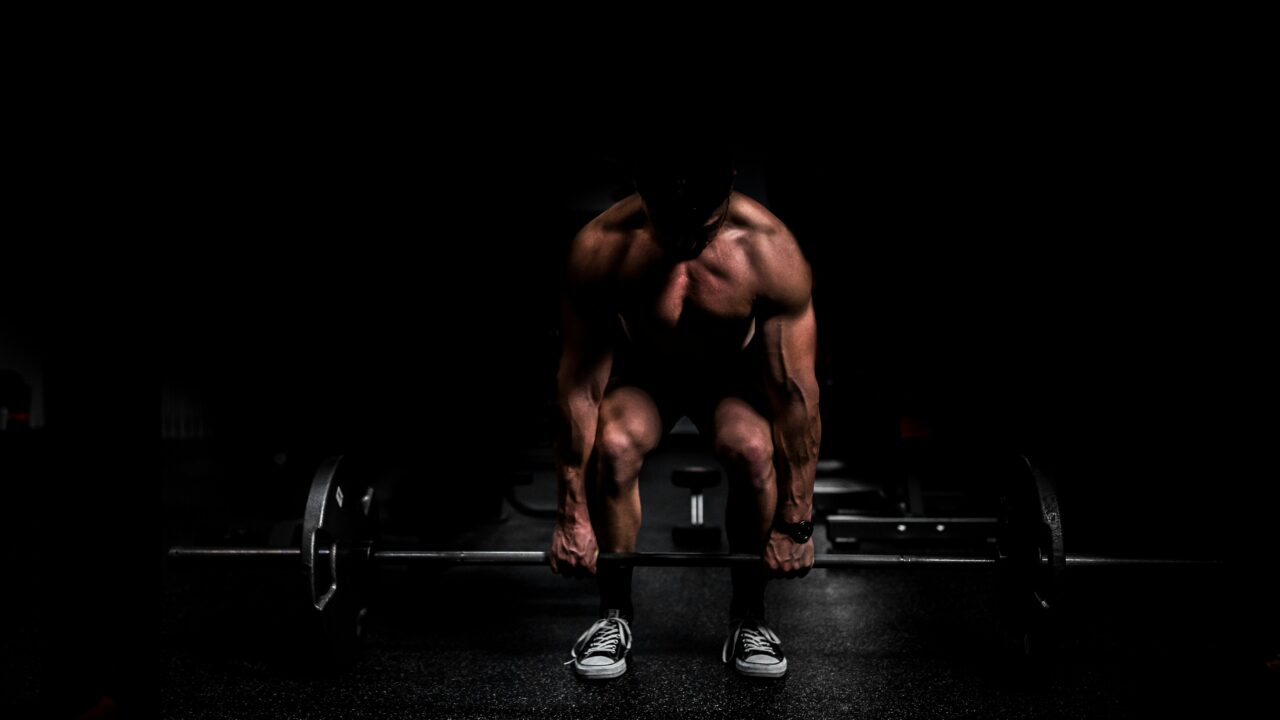
Deadlifts target your entire posterior chain, including hamstrings, glutes, lower back, upper back, and core muscles. This makes them extraordinarily effective for calorie expenditure and muscle building whilst addressing the muscle groups women often want to develop most.
The hip-hinge movement pattern of deadlifts directly builds and shapes glutes and hamstrings, creating the lifted, rounded appearance many women pursue through ineffective exercises like endless glute kickbacks. Heavy deadlifts deliver this result far more efficiently whilst simultaneously strengthening your entire body.
Like squats, deadlifts create substantial metabolic demand both during training and throughout the recovery period. Your body expends considerable energy repairing and adapting to the stimulus of heavy deadlifts, contributing to the caloric deficit driving fat loss.
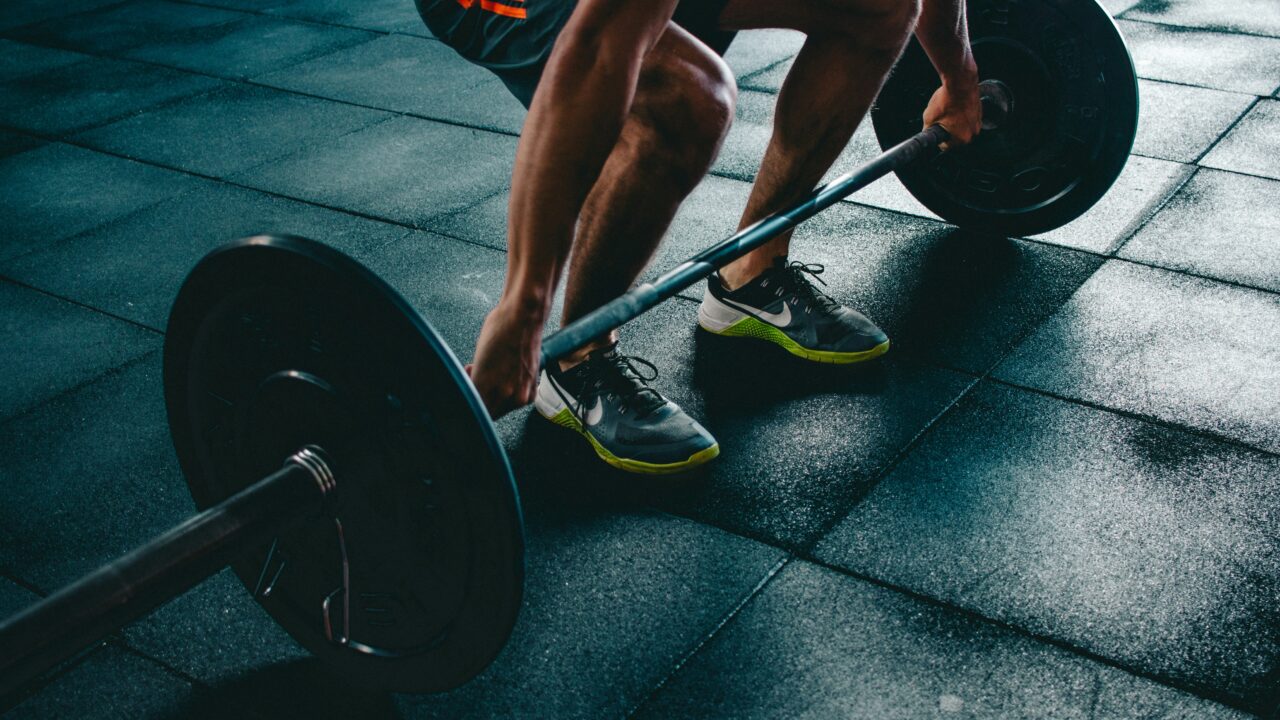
Proper deadlift technique requires careful attention to form. Begin with Romanian deadlifts or trap bar deadlifts, which prove more forgiving for beginners while still delivering excellent results. As movement competency develops, conventional barbell deadlifts from the floor become accessible.
Programme 3 to 4 sets of 6 to 10 repetitions once or twice weekly, depending on recovery capacity. Deadlifts create substantial systemic fatigue, so adequate recovery between sessions proves essential. The exercise demands respect and proper progression rather than rushing into heavy weights before movement mastery.
Bench Press Variations: Upper Body Strength and Definition
Many women neglect upper body pressing movements, missing opportunities for significant calorie expenditure and the toned arm and shoulder definition they desire. Bench press variations, including barbell bench press, dumbbell bench press, and incline pressing, build chest, shoulders, and triceps whilst burning substantial calories.
Developing upper body pushing strength creates visible arm definition and shoulder shape that transforms how clothes fit and overall physique appearance. The fear of building bulky upper bodies is misplaced. Without excessive caloric surpluses and specific hypertrophy protocols, pressing movements create lean, defined musculature.
Dumbbell variations offer advantages for many women, including a greater range of motion, independent arm movement addressing strength imbalances, and reduced shoulder stress compared to barbell pressing. Start with dumbbell bench press or incline dumbbell press for 3 sets of 10 to 15 repetitions.
Push-ups represent an excellent bodyweight alternative or supplementary exercise. Standard push-ups, incline push-ups against a bench, or resistance band-assisted variations all build similar musculature whilst requiring no equipment. Progress by reducing assistance or increasing difficulty rather than merely accumulating endless high-rep sets.
Include pressing movements twice weekly as part of upper-body or full-body training sessions. The combination of multi-muscle engagement and progressive resistance creates exactly the stimulus needed for fat loss and physique transformation.
Rowing Movements: Back Development and Posture Correction
Rowing exercises, including bent-over barbell rows, dumbbell rows, seated cable rows, and inverted rows, build back musculature while burning significant calories through compound movement patterns. These exercises deserve emphasis in female training programmes for both aesthetic and functional reasons.
Strong back muscles improve posture, pulling shoulders back and creating the upright position that makes you appear leaner and more confident immediately. Hours spent sitting at desks create forward-rounded shoulders and weak upper backs that rowing movements directly address.
Back development also contributes to the coveted V-taper appearance, where shoulders appear broader relative to waist size. Combined with core training and fat loss, strong lats and upper back muscles create dramatic improvements in overall physique shape.
Various rowing variations suit different experience levels and equipment availability. Dumbbell rows prove excellent for beginners, allowing focus on one side whilst supporting yourself with the opposite arm. Inverted rows using a bar or TRX suspension trainer offer challenging bodyweight alternatives.
Programme 3 to 4 sets of 8 to 12 repetitions across one or two rowing variations twice weekly. Balance rowing volume with pressing movements, maintaining healthy shoulder function, and avoiding muscular imbalances that compromise both performance and injury risk.
Overhead Pressing: Shoulder Strength and Metabolic Demand
Overhead pressing movements, including barbell overhead press, dumbbell shoulder press, and push press, build shoulder musculature while creating substantial metabolic demand through full-body coordination and stabilization requirements.
Developed shoulders transform physique appearance by creating width across the upper body, making waists appear smaller by comparison. The rounded, defined shoulders many women desire come from progressive resistance training on pressing movements, not endless lateral raise repetitions with three-pound dumbbells.
Overhead pressing demands core stability, preventing excessive back arching whilst pressing weight overhead. This integrated core demand contributes additional calorie expenditure whilst building functional strength, transferring to daily activities and other training movements.
Begin witha seated dumbbell shoulder press, providing back support whilst learning the movement pattern. Progress to standing variations, increasing core demand, and full-body coordination. Landmine presses offer another excellent variation with reduced shoulder stress for those with mobility limitations.
Include overhead pressing for 3 sets of 8 to 12 repetitions once or twice weekly. The shoulder joints require adequate recovery between pressing sessions, so balance overhead work with overall upper body training volume, preventing overuse issues.
Kettlebell Swings: High-Intensity Fat Burning
Kettlebell swings combine cardiovascular demand with resistance training creating exceptional fat-burning stimulus in minimal time. The explosive hip-hinge movement elevates heart rate substantially whilst building glutes, hamstrings, and core strength.
A single set of 20 to 30 kettlebell swings performed with appropriate intensity leaves you breathing heavily, heart pounding, and muscles fatigued. This metabolic disturbance continues post-workout as your body works to restore homeostasis, contributing to total daily energy expenditure beyond just the training session.
Swings also improve power development and athletic performance whilst burning fat, creating comprehensive fitness improvements rather than just aesthetic changes. The explosive nature builds fast-twitch muscle fibers, often undertrained through steady-state cardio and slow-tempo resistance exercises.
Proper swing technique emphasizes hip drive rather than squatting or using excessive arm pull. The power comes from forcefully extending hips forward, allowing the kettlebell to float to chest or eye level, depending on the variation. Beginners should seek qualified instruction ensuring safe, effective movement patterns.
Programme kettlebell swings as metabolic finishers after strength training or as standalone conditioning sessions. Perform 4 to 6 sets of 15 to 25 repetitions with 30 to 60 seconds rest between sets. Start with moderate weights, focusing on technique before progressing to heavier kettlebells.
Metabolic Resistance Training Circuits for Maximum Calorie Burn
Combining multiple resistance exercises into timed circuits creates exceptional fat-burning stimulus whilst building strength and muscle. Metabolic resistance training circuits keep heart rate elevated throughout the session, maximizing calorie expenditure during training and creating a substantial afterburn effect.
A sample circuit might include goblet squats, push-ups, kettlebell swings, dumbbell rows, and planks performed for 40 seconds each with 20 seconds transition time between exercises. Complete 3 to 5 rounds with 90 to 120 seconds rest between circuits.
This training style delivers cardiovascular benefits similar to traditional cardio, whilst simultaneously building muscle that pure cardio neglects. The combination proves superior for body composition changes compared to either strength training or cardio performedin isolation.
Exercise selection should emphasize compound movements targeting multiple muscle groups rather than isolation exercises. The goal is total-body metabolic demand, not muscle pump in individual body parts. Squats, deadlift variations, pressing movements, rowing exercises, and loaded carries all work excellently.
Implement metabolic circuits one to three times weekly, depending on recovery capacity and other training performed. These sessions create substantial fatigue, so adequate rest between circuit days proves essential. Balance intensity with sustainability, preventing burnout that derails long-term consistency.
Strategic Cardio Integration for Accelerated Results
While resistance training should form your training foundation, strategic cardio accelerates fat loss when implemented intelligently. The key is choosing cardio methods that complement rather than compromise your strength training results.
High-intensity interval training, alternating short intense bursts with recovery periods, burns substantial calories whilst preserving muscle tissue better than steady-state cardio. Intervals also create greater post-exercise oxygen consumption, elevating metabolism for hours after training ends.
A simple interval protocol involves 20 to 30 seconds of maximum effort followed by 60 to 90 seconds of active recovery, repeated for 10 to 15 rounds. Apply this template to cycling, rowing machines, treadmill sprints, or any cardio modality you prefer.
Steady-state cardio still has applications, particularly low-intensity walking, which burns calories without creating recovery demands that interfere with strength training. Daily 30 to 45-minute walks contribute to caloric deficits whilst improving cardiovascular health and providing active recovery between intense training sessions.
Avoid excessive cardio volume that compromises strength training performance and recovery. Two to three interval sessions weekly, combined with daily walking, typically proves optimal for fat loss whilst maintaining the energy and recovery needed for productive resistance training.
Common Training Mistakes Preventing Female Fat Loss
The most damaging mistake is avoiding heavy weights from fear of becoming bulky. This fear keeps women using resistances too light to create meaningful adaptation, wasting time on ineffective training that produces minimal results despite consistent effort.
Building substantial muscle mass requires specific conditions, including caloric surpluses, years of progressive training, and often genetic predisposition, which most women don’t possess. What heavy weights actually create is lean, toned muscle with visible definition, replacing soft, undefined tissue.
Another critical error is performing excessive isolation exercises while neglecting compound movements. Bicep curls, tricep kickbacks, and inner thigh machines burn minimal calories and build little muscle compared to squats, deadlifts, and pressing movements.
Many women also fall into the cardio trap, spending hours on treadmills and ellipticals whilst avoiding the weights section. This creates excessive fatigue whilst burning limited calories and building no metabolic-boosting muscle tissue. Resistance training should comprise the majority of gym time, with cardio used strategically.
Inconsistent progression represents another problem. Your body adapts to training stimulus within weeks. If you’re lifting the same weights for the same repetitions six months later, you’re not creating the progressive challenge needed for continued fat loss and muscle building.
Your Action Plan for Sustainable Fat Loss Success
Successful female fat loss through gym training requires structured programming emphasizing compound resistance exercises, progressive overload, and strategic cardio integration. This combination creates the caloric deficit necessary for weight loss whilst building lean muscle that shapes and defines your physique.
Begin with three weekly full-body resistance training sessions including squats, deadlift variations, pressing movements, and rowing exercises. Progress weights and repetitions systematically, challenging yourself to improve each session rather than maintaining comfortable effort levels.
Add two to three interval cardio sessions and daily walking, creating additional calorie expenditure without compromising recovery. Monitor your nutrition, ensuring adequate protein intake supporting muscle preservation whilst maintaining the caloric deficit driving fat loss.
Track progress through multiple metrics, including scale weight, body measurements, progress photos, and performance improvements in the gym. Weight alone doesn’t reflect body composition changes as you simultaneously lose fat and build muscle.
Remember that sustainable fat loss occurs through consistent effort over months, not extreme measures over weeks. The exercises outlined here work when applied consistently with progressive intensity and supported by appropriate nutrition and recovery. Your transformation won’t happen overnight, but it will happen if you trust the process and commit to systematic implementation one workout at a time.