
You’ve been following random workout routines from Instagram influencers, switching programmes every few weeks when progress stalls, and wondering why your physique hasn’t transformed despite months of consistent gym attendance. Meanwhile, experienced lifters around you are steadily adding muscle, increasing strength, and achieving the exact results you’re chasing.
The difference isn’t superior genetics or expensive supplements. It’s structured programming that intelligently organizes training volume, manages fatigue, and creates the progressive overload necessary for continuous adaptation. The push-pull legs split represents one of the most effective training frameworks for muscle growth, used by competitive bodybuilders and recreational lifters alike.
This comprehensive guide breaks down the scientific principles behind push-pull legs programming, provides detailed workout structures you can implement immediately, and explains the training logic that separates mediocre results from exceptional muscle growth. Whether you’re transitioning from full-body routines or optimizing an existing split, you’ll discover exactly how to structure your training for maximum hypertrophy whilst managing recovery demands that derail less strategic approaches.
Understanding the Push-Pull Legs Training Philosophy
The push-pull legs framework divides your training week into three distinct workout types based on movement patterns and muscle groups worked. Push days train muscles involved in pressing and extending movements, including chest, shoulders, and triceps. Pull days target muscles responsible for rowing and pulling motion,s including back, rear delts, and biceps. Leg days focus exclusively on lower body musculatur,e including quadriceps, hamstrings, glutes, and calves.
This division offers several compelling advantages over alternative training splits. Each muscle group receives focused attention with appropriate volume whilst benefiting from adequate recovery time before the next training stimulus. Unlike body part splits, training each muscle once weekly, push-pull legs allows higher training frequencies of twice per week when run as a six-day programme.
The movement pattern organization also prevents overlap issues that plague poorly designed splits. When you train chest on Monday and shoulders on Tuesday, your anterior delts and triceps never fully recover between sessions because they’re involved in both pressing movements. Push-pull legs eliminates this problem by grouping synergistic muscles in single sessions.
From a practical standpoint, push-pull legs adapt beautifully to different training frequencies. Beginners might run it three days weekly, hitting each session once. Intermediate lifters often prefer six days weekly, cycling through push, pull, land egs twice. Advanced athletes sometimes implement modified versions with varied intensity between the two weekly cycles.
Scientific Principles Driving Muscle Hypertrophy
Understanding why push-pull legs work requires grasping the fundamental mechanisms of muscle growth. Hypertrophy occurs when muscle protein synthesis exceeds muscle protein breakdown over extended periods, creating na et positive protein balance that manifests as increased muscle tissue.
Three primary factors drive this adaptive response. Mechanical tension from lifting challenging loads represents the most important stimulus. Your muscles must work against progressively heavier resistance to trigger the signaling pathways initiating growth. This explains why progressive overload remains non-negotiable regardless of programme design.
Metabolic stress from accumulating metabolites during training sets creates additional growth stimulus. The burning sensation during high-rep sets reflects lactate and hydrogen ion accumulation that contributes to hypertrophy through mechanisms including cell swelling and hormonal responses.
Muscle damage from eccentric contractions and novel training stimuli also promotes growth, though its importance is often overstated. You don’t need crippling soreness for growth, but some degree of disruption followed by repair contributes to the hypertrophic process.
Push-pull legs efficiently deliver all three mechanisms through structured volume, progressive loading schemes, and exercise variety, targeting muscles from multiple angles. The framework allows sufficient volume to accumulate growth-promoting stimuli whilst managing fatigue that would otherwise compromise performance and recovery.
Optimal Training Frequency and Weekly Structure
The most common push-pull legs implementation involves training six days weekly, cycling through the three workouts twice before a rest day. This creates a microcycle of push, pull, legs, push, pull, legs, rest, then repeating the pattern.
This frequency allows each muscle group to be trained twice weekly with 48 to 72 hours of recovery between similar sessions. Research consistently demonstrates that training muscles twice weekly produces superior hypertrophy compared to once-weekly approaches when total volume remains equated.
The twice-weekly frequency also enables splitting volume across two sessions rather than attempting all weekly work in one exhausting marathon workout. Training chest with 16 to 20 total sets in a single session often compromises set quality as fatigue accumulates. Splitting into two sessions of 8 to 10 sets maintains performance across all working sets.
For individuals with time constraints or recovery limitations, a three-day implementation works excellently. Training Monday, Wednesday, Friday with push, pull, legs respectively still provides balanced stimulus to all muscle groups whilst allowing more recovery time and life flexibility.
Advanced lifters sometimes implement upper-lower-push-pull-legs hybrids or other variations, but the standard six-day framework serves most gym-goers optimally for muscle building purposes. The structure is simple enough to maintain consistency yet sophisticated enough to produce continuous results.
Push Day Workout Structure and Exercise Selection
Push day targets chest, shoulders, and triceps through various pressing movements and isolation exercises. The workout typically begins with a heavy compound press, establishing mechanical tension before progressing to additional pressing variations and isolation work.
Start with barbell or dumbbell bench press for 3 to 4 sets of 6 to 8 reps, focusing on progressive overload by adding weight or reps across training weeks. This heavy pressing movement, when you’re freshest, maximizes strength development and mechanical tension for the chest and front delts.
Follow with an incline pressing movement like incline dumbbell press or incline barbell press for 3 to 4 sets of 8 to 12 reps. The incline angle shifts emphasis to upper chest fibers, often underdeveloped from excessive flat pressing. Dumbbells allow a greater range of motion and independent arm movement compared to barbell variations.
Implement a shoulder pressing movement such as the seated overhead press or Arnold press for 3 sets of 8 to 12 reps. This directly targets the deltoids whilst providing a different stimulus than the pressing movements already completed. Seated variations increase stability, allowing better focus on the delts themselves.
Add lateral raises for 3 to 4 sets of 12 to 15 reps to isolatethe lateral deltoid heads responsible for shoulder width. Use controlled tempo and avoid excessive momentum that transforms the movement into a swing rather than a targeted muscle contraction.
Finish with tricep-focused exercises, including rope pushdowns, overhead extensions, or close-grip bench press, for 3 to 4 sets of 10 to 15 reps. Triceps receive substantial work from all pressing movements but benefit from additional isolation, ensuring complete development.
A sample push workout totals approximately 16 to 20 working sets distributed across chest, shoulders, and triceps, completed within 60 to 75 minutes, including warm-up and rest periods between sets.
Pull Day Workout Structure and Exercise Selection
Pull day emphasizes back musculature, rear delts, and biceps through various rowing and pulling movements. The workout structure mirrors push day principles, beginning with heavy compound movements before progressing to isolation exercises.
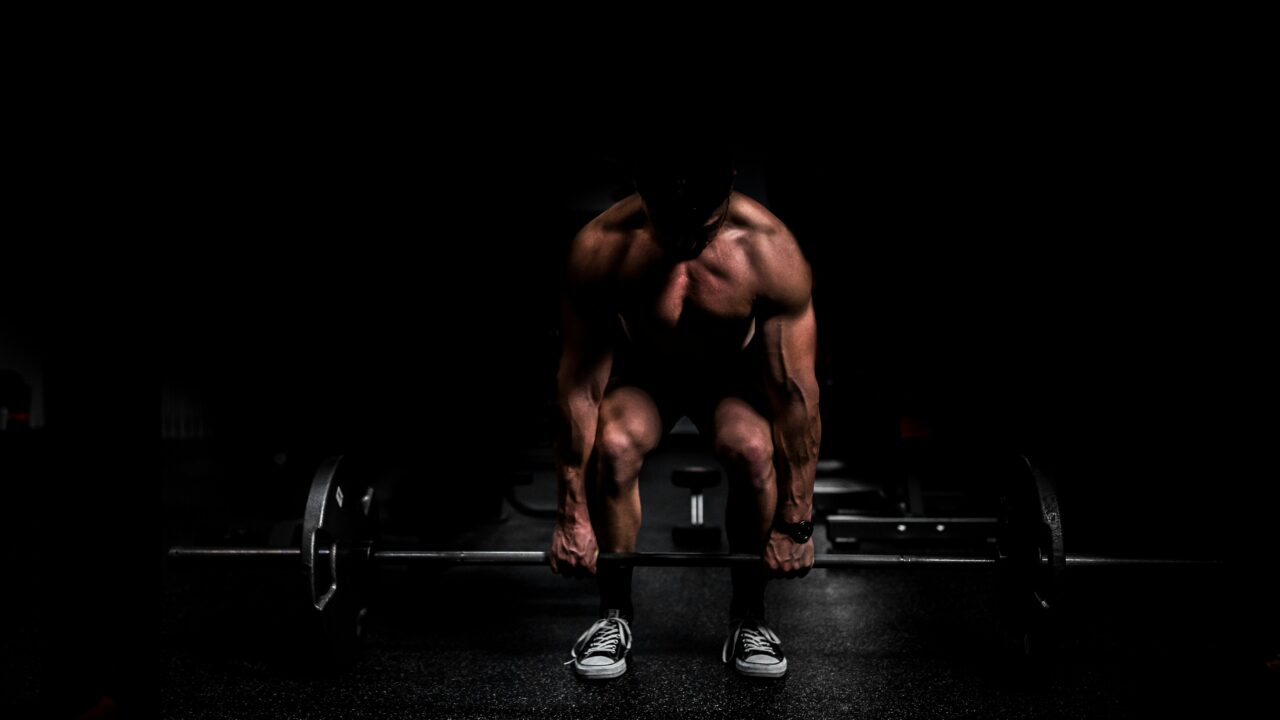
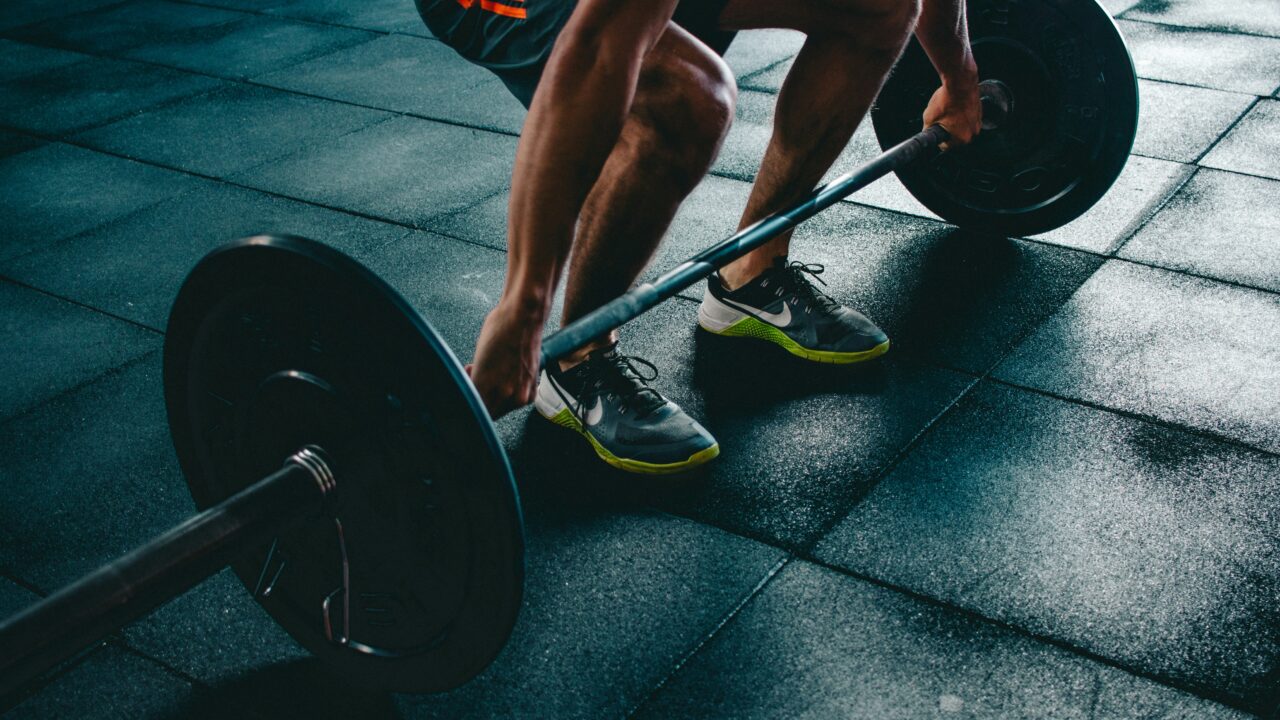
Deadlifts or rack pulls for 3 to 4 sets of 5 to 8 reps establish the foundation when included on pull days. These movements target the entire posterior chain whilst building tremendous overall strength. Some lifters prefer programming deadlifts on leg day instead, which works equally well depending on recovery capacity and preference.
Follow with a vertical pulling movement like pull-ups, chin-ups, or lat pulldowns for 3 to 4 sets of 6 to 12 reps, depending on strength level. Vertical pulls emphasize lat width and create the V-taper appearance most lifters pursue. If bodyweight pull-ups are too challenging, lat pulldowns allow progressive loading whilst building toward unassisted chin-ups.
Implement horizontal rowing movements such as barbell rows, dumbbell rows, or seated cable rows for 3 to 4 sets of 8 to 12 reps. Horizontal rows target mid-back thickness, including rhomboids and middle traps, whilst providinga different stimulus than vertical pulling.
Add face pulls or rear delt flyes for 3 sets of 12 to 15 reps, directly targeting often-neglected rear deltoids. Balanced shoulder development requires direct rear delt work that pressing and standard pulling movements don’t adequately provide. Strong rear delts also support shoulder health and posture.
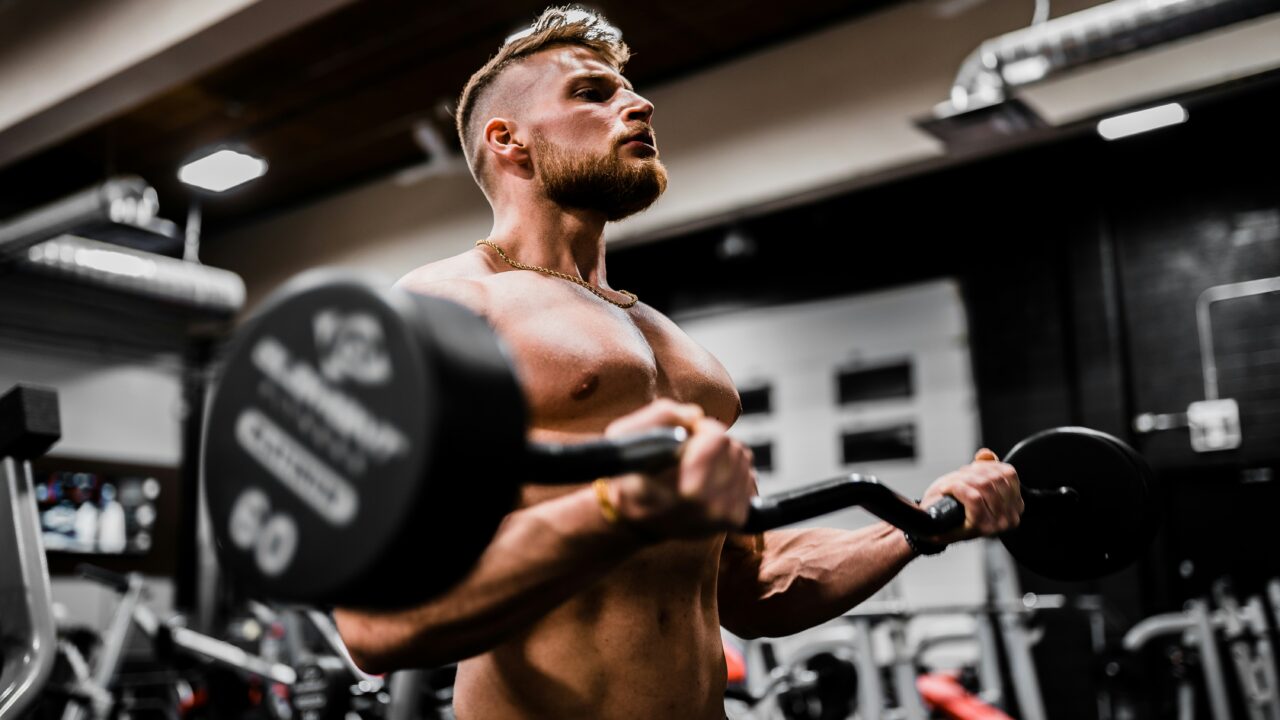
Finish with bicep isolation, including barbell curls, dumbbell curls, or hammer curls for 3 to 4 sets of 10 to 15 reps. Biceps receive indirect work from all pulling movements but respond well to additional direct stimulation through various curling variations.
Total pull day volume reaches approximately 16 to 20 sets across the back, rear delts, and biceps, matching push day work distribution.
Leg Day Workout Structure and Exercise Selection
Leg day demands particular attention because lower body musculature comprises roughly 50 percent of total muscle mass. Comprehensive leg training includes quad-dominant movements, hip-hinge patterns targeting hamstrings and glutes, and direct calf work.
Begin with back squats or front squats for 3 to 4 sets of 6 to 10 reps. Squats represent the king of leg exercises, building quadriceps, glutes, and overall lower body mass whilst demanding core stability and full-body coordination. Progressive overload on squats correlates strongly with leg development.
Follow with a hip-hinge movement like Romanian deadlifts or leg curls for 3 to 4 sets of 8 to 12 reps, emphasizing hamstring development. Many lifters neglect hamstrings in favor of quad-focused training, creating muscle imbalances and leaving substantial growth potential unrealized.
Implement a unilateral movement such as Bulgarian split squats, walking lunges, or single-leg press for 3 sets of 10 to 15 reps per leg. Single-leg exercises address strength imbalances between limbs whilst providing unique stability demands that bilateral movements don’t challenge.
Add leg press or hack squats for 3 sets of 12 to 15 reps if recovery allows. These machine-based movements remove stability demands, allowing focused quad stimulation with controlled fatigue management since stabilizer muscle limitations don’t prematurely end sets.
Finish with direct calf training, including standing and seated calf raises for 3 to 4 sets of 12 to 20 reps. Calves respond well to higher rep ranges and frequent training. Some lifters even include calf work on multiple training days weekly, given their recovery capacity.
Leg day volume typically reaches 15 to 18 sets, though the larger muscle groups and compound movement demands create substantial systemic fatigue despite potentially lower set counts than upper body days.
Progressive Overload Strategies for Continuous Growth
The most effective push pull legs programmes implement structured progression schemes rather than random effort increases. Progressive overload means gradually increasing training stimulus over time through various methods, including added weight, additional reps, increased sets, or improved exercise execution.
The simplest progression model involves adding repetitions within a target range before increasing load. If your programme calls for 3 sets of 8 to 12 reps on incline press, you might start at 3 sets of 8 reps with 70-pound dumbbells. Each subsequent session, attempt to add one rep until reaching 3 sets of 12 reps, then increase to 75-pound dumbbells and restart at 8 reps.
This double progression method works excellently for most exercises and experience levels. The gradual rep increases create a manageable progression, maintaining good form, whilst the weight jumps represent clear strength improvement.
Another effective approach uses straight sets with fixed rep targets. When you complete all prescribed sets and reps, increase the load in the following session. For example, if you complete 4 sets of 6 reps on bench press at 225 pounds, increase to 230 pounds next push workout.
Periodization adds another layer by varying intensity and volume across training blocks. You might emphasize heavier loads with lower reps for 4 to 6 weeks, building strength, then transition to moderate weights with higher reps for 4 to 6 weeks, emphasizing hypertrophy and work capacity.
Regardless of the specific method, tracking workouts in a training log proves essential. You cannot manage what you don’t measure. Recording weights, sets, and reps allows objective assessment of progress rather than relying on feeling or memory, which often mislead.
Common Push-Pull Legs Mistakes Destroying Results
The most frequent error involves excessive volume, particularly among intermediate lifters who believe more training automatically produces better results. Each workout becomes a 25-set marathon lasting two hours, creating fatigue that compromises recovery and subsequent session quality.
Optimal volume for hypertrophy typically falls between 10 and 20 working sets per muscle group weekly. Beginners thrive on the lower end, whilst advanced lifters may benefit from higher volumes. Exceeding this range rarely produces additional growth whilst substantially increasing injury risk and recovery demands.
Another critical mistake is neglecting progressive overload in favor of chasing muscle pumps and soreness. Feeling your muscles work matters, but it’s not the primary driver of growth. If you’re lifting the same weights for the same reps six months later despite perfect pump and soreness, you’re not building muscle efficiently.
Many lifters also implement push-pull legs with inadequate nutrition and recovery support. Training six days weekly with high volume demands substantial caloric intake and quality sleep. Attempting aggressive fat loss deficits or sleeping five hours nightly whilst running intense push-pull legs virtually guarantees poor results.
Exercise execution problems plague many implementations. Ego lifting with excessive weight and poor form limits muscle tension and increases injury risk. Conversely, using weights too light to create meaningful challenge wastes time on ineffective stimulus. Both extremes prevent optimal results.
Customizing Push Pull Legs for Your Experience Level
Beginners should start with a three-day implementation focusing on movement pattern mastery and conservative volume. Three training days weekly allow adequate recovery whilst building the work capacity needed for higher frequencies later. Exercise selection should emphasize compound movements with minimal isolation work.
A beginner might perform 3 to 4 exercises per session with 3 sets each, totaling 9 to 12 sets per workout. This provides sufficient stimulus for growth whilst preventing the overwhelming fatigue and excessive soreness that discourages continued training.
Intermediate lifters thrive on the standard six-day push-pull-legs implementation. Training experience allows handling higher volumes of 16 to 20 sets per session, distributed across compound and isolation exercises. This population benefits most from structured progression schemes and periodization strategies.
Advanced lifters might implement intensity techniques, including drop sets, rest-pause sets, or supersets to increase training density and overcome adaptation plateaus. However, these techniques should supplement rather than replace fundamental progressive overload principles.
Some advanced athletes run push-pull legs with varied intensities between the two weekly cycles. The first cycle emphasizes heavier loads with lower reps for strength, whilst the second cycle uses moderate weights with higher reps for hypertrophy and volume accumulation.
Your Blueprint for Push Pull Legs Success
The push-pull legs framework isn’t revolutionary, but it doesn’t need to be. Effective training programmes aren’t built on novelty but rather intelligent application of fundamental principles proven across decades of practical implementation and scientific research.
What makes push-pull legs exceptional is the balance it strikes between training frequency, volume distribution, recovery management, and practical sustainability. You can run this programme for months or years with minor adjustments, continuously building muscle without the programme-hopping that destroys long-term progress.
Start by selecting your preferred frequency based on schedule, recovery capacity, and training experience. Choose exercises you can perform with excellent form that allow progressive loading over time. Implement structured progression schemes and track every workout to ensure continuous advancement.
Remember that no programme builds muscle without adequate nutrition supporting growth and recovery, allowing adaptation. Your training splits the muscle fibers. Your nutrition and sleep rebuild them stronger and larger. All three components must align for optimal results.
The lifters achieving impressive physiques aren’t succeeding because they discovered secret exercises or magical rep ranges. They’re succeeding because they committed to intelligent programming, executed it consistently over extended periods, and trusted the process when immediate results weren’t visible. That same success is available to you through the dedicated implementation of these push-pull legs principles, one workout at a time.